
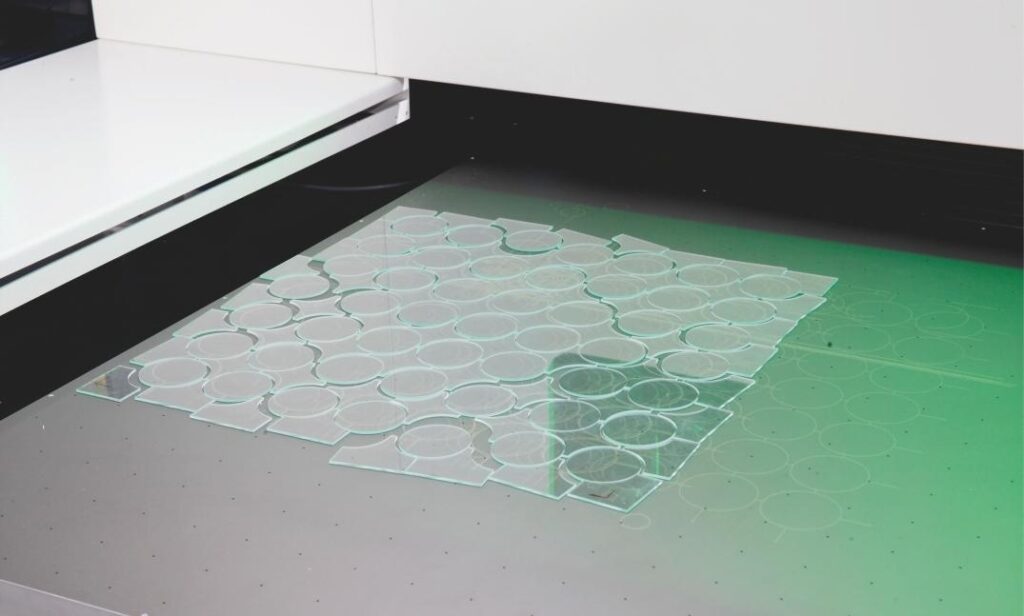
The glass processing field changes quickly these days. Needs for exact, touch-free methods grow faster than traditional mechanical processing methods. This is particularly critical for applications such as electronic screens or building parts. For makers who want less scrap and better edge finish, selecting the proper laser glass cutting machine matters a great deal. This guide looks at the tech, choice factors, and benefits of current Glass Laser Cutting & Breaking Machine options.
Industry Background and Trends in Laser Glass Cutting
The Core Demand for High-Precision Processing
Today’s sectors, especially in gadgets and solar power, need glass parts with very close limits. Old mechanical cuts often fail with very thin, fragile, or uneven glass. This causes tiny breaks and many lost pieces. As looks and work needs increase for car and home glass, the field turns to touch-free options. Such methods avoid edge breaks.
Technological Advantages of Infrared Laser
Infrared laser tech stands out as the better choice. It links energy well with the glass. Thus, it allows careful work without physical force on the piece. This touch-free way cuts down on edge damage and inner strain. As a result, it handles glass from 0.1mm to 20mm thick.
Working Principle of Laser Glass Cutting Machines
Collaborative Technology: Cutting and Breaking
The Glass Laser Cutting & Breaking Machine relies on a smart “Infrared+CO2” combined approach. It differs from methods that use uneven heat stress. Instead, this setup employs an infrared laser to mark the cut line exactly. Then, it creates a clean, single break on one unit. Such a process keeps tight control on the Heat Affected Zone (HAZ). Therefore, it protects the glass’s overall strength.
Integrated Process Flow
This tech shines through its combined steps. The device marks paths and breaks them at the same time in one smooth run. A big plus is the break’s accuracy. Often, it skips later edge smoothing or extra steps. This makes the whole line run smoother.
Technology Comparison: Laser vs. Traditional Methods
|
Feature |
Glass Laser Cutting & Breaking Machine |
Mechanical Cutter |
Waterjet Cutting |
|
Contact Method |
Non-contact |
Physical Contact |
Physical Contact |
|
Edge Quality |
Neat fracture, no chipping |
High risk of chipping |
Good, but wet |
|
Consumables |
Environmentally friendly, no consumables |
Cutting wheels/fluids |
Abrasives/Water |
|
Precision |
≤0.02mm |
Lower |
Moderate |
|
Post-Processing |
Often unnecessary |
Grinding required |
Drying/Cleaning req. |
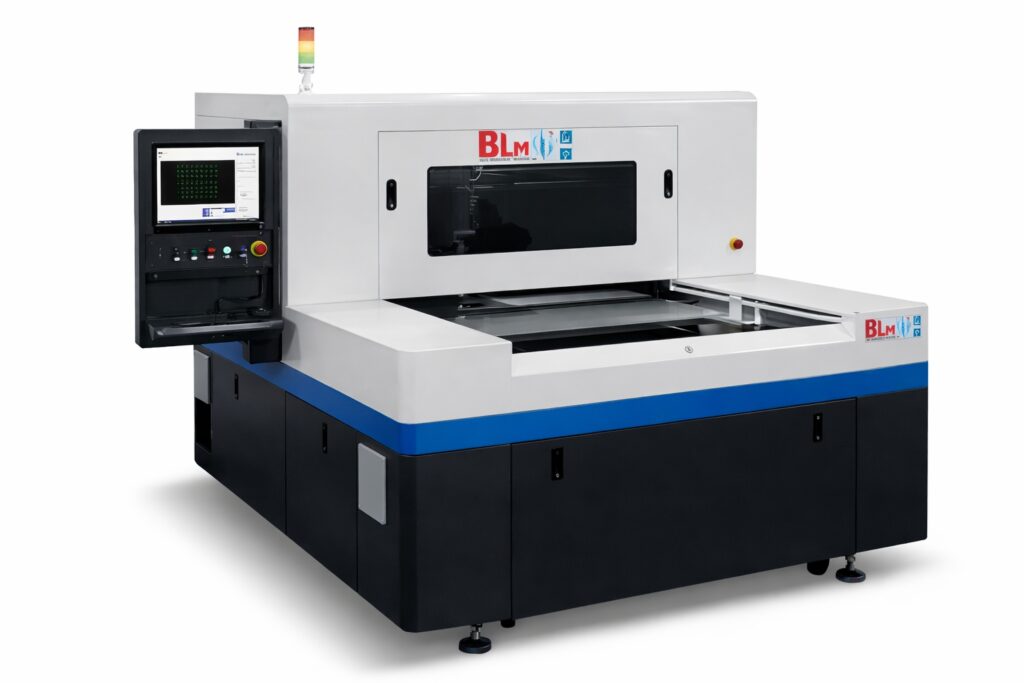
BLM Automatic Machine elevates these benchmarks, achieving ≤0.02mm precision and zero-chipping quality to eliminate post-processing—perfecting glass edges in a single, efficient pass.
Main Application Directions
Laser glass cutting service now center on three key areas:
- Electronic Glass:OLED screens and gadget cover glass.
- Appliance & Architecture:Decorative glass with tricky shapes.
- Photovoltaic & Automotive: Steady work for the power and vehicle fields.
How to Choose the Right Laser Glass Cutting Machine
Selecting Based on Glass Type and Thickness
Flexibility in the gear counts most. Shoppers need units that manage many materials, from fragile thin glass to common sizes. The Glass Laser Cutting & Breaking Machine covers 0.1mm to 20mm thick. This fits fine on electronic bases and strong car glass. For top accuracy jobs, check that the unit promises ≤0.02mm work precision.
Matching Processing Size and Capacity
The output needs to set the machine’s size. Common work areas like 1000mm x 800mm suit most gadget and small home item tasks. But for big building work, fitting into a line matters. The equipment must have strong auto features for non-stop runs.
Interpreting Key Technical Parameters
While checking a laser glass cutting machine, pay attention to these main points:
- Laser Type:Infrared types work best for steady hold and glass uptake.
- Speed & Power:The overall power of the machine is 12KW, with a line speed of 800mm/s (at 2mm thickness), which enhances output..
Application Cases and Performance
Electronics and Appliances: High Precision
Making touch screens and OLED panels demands exact work. The laser cut way gives steady results and high success rates for costly parts. This tech fits well for shaping electronic glass. It avoids the waste seen in mechanical cuts.
Architecture and Decoration: Scale and Speed
Building glass stresses edge look and pace. The clean break skips extra smoothing. This cuts the time for design pieces a lot. Strong auto levels handle odd shapes common in new builds without issues.
Automotive and Photovoltaics: Stability
Car and solar glass face tough strength tests. Laser cutting builds the edge toughness for heat and force. The Glass Laser Cutting & Breaking Machine adapts to special light glass and solar types. Thus, it serves makers in clean power well.
Equipment Stability, Quality, and Compliance
Long-Term Stability
For steady work, the machine’s quality is key. Top makers use exact CNC centers for parts. This holds limits to ±0.01mm. Such a firm build keeps ≤0.02mm cut accuracy for years.
Certifications and Standards
For world rules, especially in laser glass cutting service abroad, gear must meet strict safety standards. Seek units that follow the 2006/42/EC Machinery Directive and hold CE marks. Key rules cover EN ISO 12100 and EN 60204-1. These ensure power safety and reliable runs.
Comprehensive After-Sales Support
Solid help cuts stop times. A good service plan includes:
- “2-7-24” Response: 2-hour first check, 24-hour fix for common issues, and 72-hour site visit for global users.
- Training: Hands-on lessons at setup. This covers settings and safety rules for workers.
Conclusion
Moving to laser tech goes beyond getting gear. It builds skills for lasting making. The Glass Laser Cutting & Breaking Machine marks a change to “green processing.” This way stays earth-friendly, uses no extras, and runs highly auto. Without water or coolers, makers lower green rule costs. At the same time, they offer fine edge work.
BLM Automatic Machine provides integrated laser glass processing solutions, combining equipment design, system integration, and global after-sales support. Each solution is customized based on material type, production scale, and application requirements—helping manufacturers transition smoothly from traditional cutting methods to advanced laser processing.
FAQ
Q: What is the maximum glass thickness the laser cutting machine can handle?
A: The Glass Laser Cutting & Breaking Machine is versatile and can process glass thicknesses ranging from 0.1mm to 20mm.
Q: Does the laser cutting process require water or cooling fluids?
A: No, one of the primary benefits of this technology is that it is a “green processing” method. It is environmentally friendly and operates without consumables or the need for water cooling during the cutting process.
Q: Can the machine handle irregular shapes, or is it limited to straight lines?
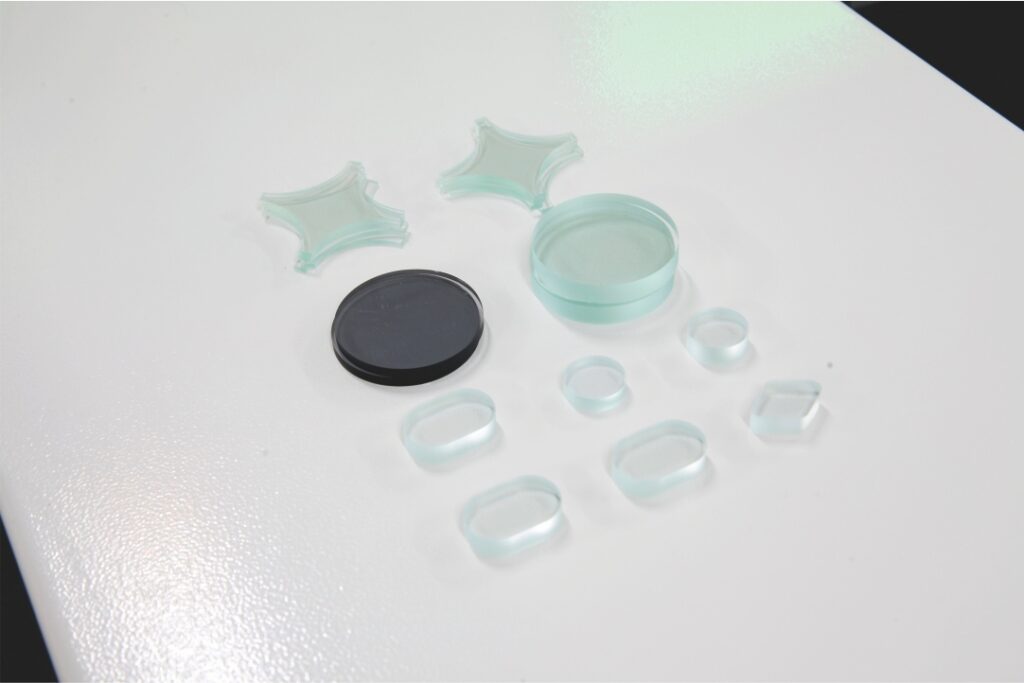
A: The equipment is capable of marking and cutting complex paths. It is designed for glass substrates, including ultra-thin or irregular glass, making it suitable for diverse applications in electronics and decoration.
Q: Do I need to grind the glass edges after laser cutting?
A: In many cases, no. The machine achieves a “one-time neat fracture,” which often eliminates the need for subsequent edge grinding or secondary processing, saving significant time and labor.
Q: What kind of files does the machine software support for cutting patterns?
A: The intelligent control systems typically support online drawing and are capable of integrating with factory ERP systems. They can often import standard engineering drawings directly to automate the hole distribution and cutting process.