
Introduction
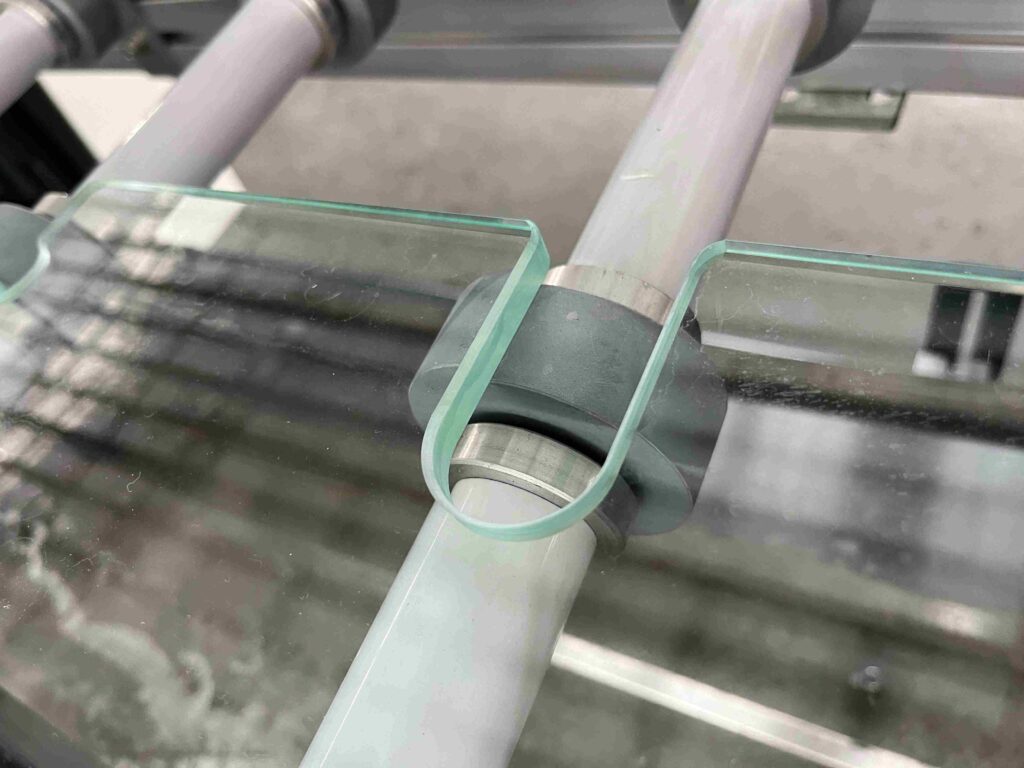
In today’s factory setting, the need for exact glasswork has moved away from basic uses. It now covers detailed style and tech demands. Take the slim glass in home smart screens, for example. Or think of tough building sheets for fresh building fronts. Even the detailed shapes needed for car glass fit this. The field deals with tough issues that affect all these areas.
Old ways of handling glass often face low output speed, weak exactness, and broken steps in the workflow. A lot of plants still use hand moves between drilling spots, milling areas, and shine steps. This raises the chance of edge breaks and waste of stock.
To keep up in the market, the field turns to a joint “three-in-one” method. Bringing together glass drilling and milling technology with auto shine work is not just a choice anymore. Instead, it marks the clear path for making that fits the years ahead.
Core Techniques: Professional Analysis of Glass Drilling and Milling
Advanced Glass Drilling Technology
The heart of current glass drilling technology rests in the shift from handwork to linked multi-part CNC setups. Exact work forms the base of glass handling. Old drills face uneven hole results and spot mistakes often.
New CNC tools use auto spot checks to make sure each hole lands right, no matter the glass size. This approach fixes the old clash between tricky, uneven hole designs and the push for big-run, group making.
Innovative Glass Milling Technology
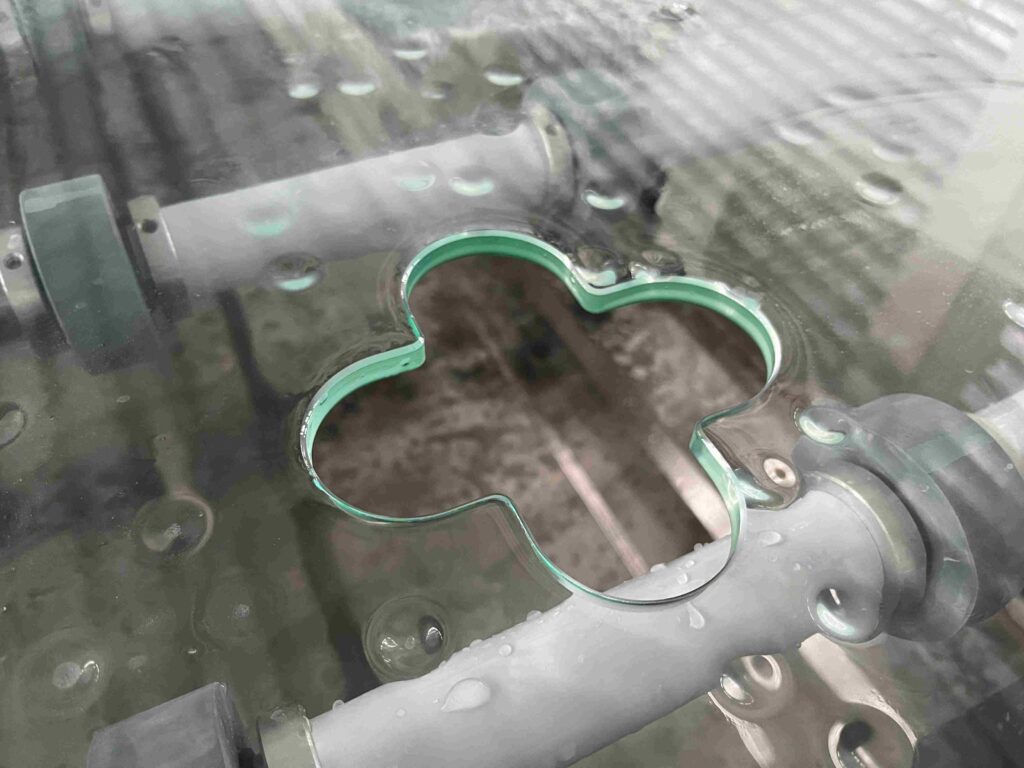
Glass milling technology has grown to cover more than plain slices. It now includes making inside shapes, cuts, and detailed side lines. The smooth link from drilling to milling and then to shaping holds the key to cutting “move waste.”
Main work settings matter a lot in this. Quick electric turn parts, which hit up to 12,000 rpm, pair with set feed speeds. As a result, the worked sides come out even. This cuts the call for extra finish steps and boosts the success rate by a good margin.
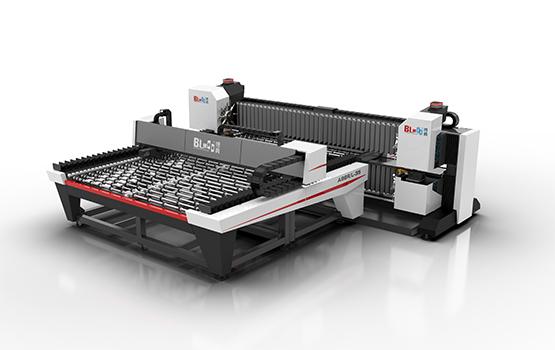
The Ultimate Tool: Glass Drilling & Milling & Polishing Machine A98 (Spindle 8+8)
Technical Advantages of the 8+8 Spindle System
- Simultaneous Multi-Station Collaboration: The A98 features a sophisticated “8+8”dual-spindle configuration, totaling 16 sets of spindles that can work in bidirectional coordination. This design allows for simultaneous processing on multiple stations, effectively doubling the production efficiency compared to single-spindle machines.
- Rapid Tool-Changing Structure: Equipped with an advanced tool magazine, the system supports quick switching between different tool types. This significantly reduces non-processing time (idle time), enhances the flexibility of the production line, and makes it ideal for handling diverse processing tasks without frequent manual intervention.
High-Precision Control System
- Deep Integration with Industrial PC and ERP: The machine is powered by an industrial computer system that supports online drawing and seamless integration with factory ERP systems. By supporting barcode and QR code scanning, the system can automatically read processing information, enabling intelligent and automated hole distribution and drilling.This level of automation improves the overall workflow ofglass drilling technology, ensuring both efficiency and consistency across production cycles.
- The Secret to Precision (±0.3mm/m): High-precision control is achieved through the use of top-tier components like TBI guide rails and high-torque motors, ensuring that processing tolerances are strictly maintained within ±0.3mm per meter. The system’s intelligent control module provides real-time monitoring to ensure the stability and accuracy of every movement.
Structural Stability
- Inclined Roller Table Design: The entrance and exit tables utilize a specialized inclined roller design. This ensures that the glass remains consistently pressed against the reference baseline during transmission, preventing deviation and ensuring high-precision positioning for subsequent drilling and milling processes.
Product Comparison: Selecting the Right Equipment
Various output sizes call for specific tools. The table below shows how models fit different factory wants.
|
Model |
Spindle Configuration |
Processing Range |
Primary Application |
|
A98 |
8 + 8 (16 Spindles) |
Max 6000 x 2500 mm |
High-efficiency, large-format glass (facades, large panels) |
|
A92 |
1 + 1 (2 Spindles) |
Max 6000 x 2500 mm |
Balanced performance for integrated multi-process production |
|
A71X |
6 to 8 Tools (Vertical) |
Max 2500 x 1500 mm |
Space-saving vertical design; ideal for doors and railings |
Best Practices: Optimizing Your Production Line
To get the top outcomes from glass drilling and milling technology, makers ought to stick to these planned moves.
- Equipment Customization: Pick gear based on glass depth, from 4-19mm, and size. For special cases, custom lines can fit just right.
- Tool Management:Make use of fine tools, like bronze cone base bits with inside and outside cool flows. These stop heat strain and snaps.
- Strict Maintenance:Follow a “2-7-24” quick fix plan. It makes sure any gear issue gets checked and fixed within 24 hours. This keeps output loss low.
Quality Assurance and Global Standards
Each unit comes from a strict 15-part make process. This includes heat treatment of the base to clear inner strain and fine powder checks. With the CE mark and ISO 9001:2015 match, the gear meets the world’s tightest safety and fine rules.
Conclusion
The growth in glass drilling and milling technology pushes the field to a brighter, faster tomorrow. By joining these steps into one strong work spot, makers can clear old blocks and give better fine work.
For groups set to guide the field, BLM Automatic Machine offers smart gear and pro tech help. This turns your make skills around. Our drive for new ideas keeps your spending safe with tools for the next year.
FAQ
Q: Can your machines handle extremely thick or thin glass?
A: Yes. The usual line, like the A98 and A71X, fits glass depths from 4mm to 19mm. CNC settings can be adjusted fine to keep safe and exact work for slim pieces and thick building sheets alike.
Q: How does the A98 reduce the risk of glass breakage?
A: The A98 draws on a steady beam build and exact electric turn parts. Paired with pro tools that have inside and outside water cool, it cuts heat build and shakes. Those stand as the main reasons for glass cracks in drilling and milling.
Q: Does BLM Automatic Machine offer training for our operators?
A: We give full training in two forms. “In-plant training” happens at our site for 3-5 days. It covers unit runs and fix steps. “On-site training” comes during setup. Here, our techs give one-to-one tips in your real make space.
Q: Is the software compatible with our existing design files?
A: Our setups link well. They take in CAD plans right away and join with plant ERP tools. This makes a smooth shift from plan to real make through code bar reads.
Q: What is the “2-7-24” service guarantee?
A: This marks our promise to steady work. We offer same-day issue checks (2), send close techs to your spot (7), and fix normal faults in 24 hours (24). In this way, your line stays active with short stops.