
Introduction
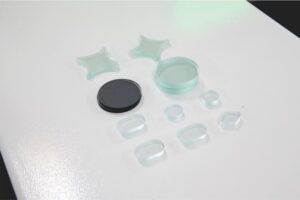
In fast-changing areas like consumer electronics, car production, and clean energy, the need for exact glass parts has grown to new heights. Items range from very slim screen panels to detailed car-wide sunroofs and solar panels. Old ways of mechanical cutting are starting to face limits. To handle these strict needs, makers are choosing cutting edge glass tools. These use light-based methods instead of rubbing surfaces.
This change marks a basic switch from drilling and grinding by hand to modern infrared laser work. At the front of this tech advance sits the Glass Laser Cutting & Breaking Machine. It does more than boost speed. It serves as the main support for companies that want to make smart, eco-friendly production changes.
How Laser Technology Redefines Precision
The main strength of laser cutting glass sheet technology comes from its power to handle fragile items without touching them. Old methods put physical pressure on the material.
In contrast, new laser gear uses strong infrared beams to make clean breaks.To see why this tech beats old ways, look at these main processes:
- Non-Contact Processing:
The gear uses a mix of laser marking and mechanical break tech. It applies strong infrared lasers for cuts without pressure. As a result, it removes usual problems like rough edges and tiny splits. - Heat Affected Zone (HAZ) Control:
Infrared laser tech lets light focus sharply. This keeps the cut edge steady. It does so by tightly managing the area hit by heat. - Integrated Cutting and Breaking:
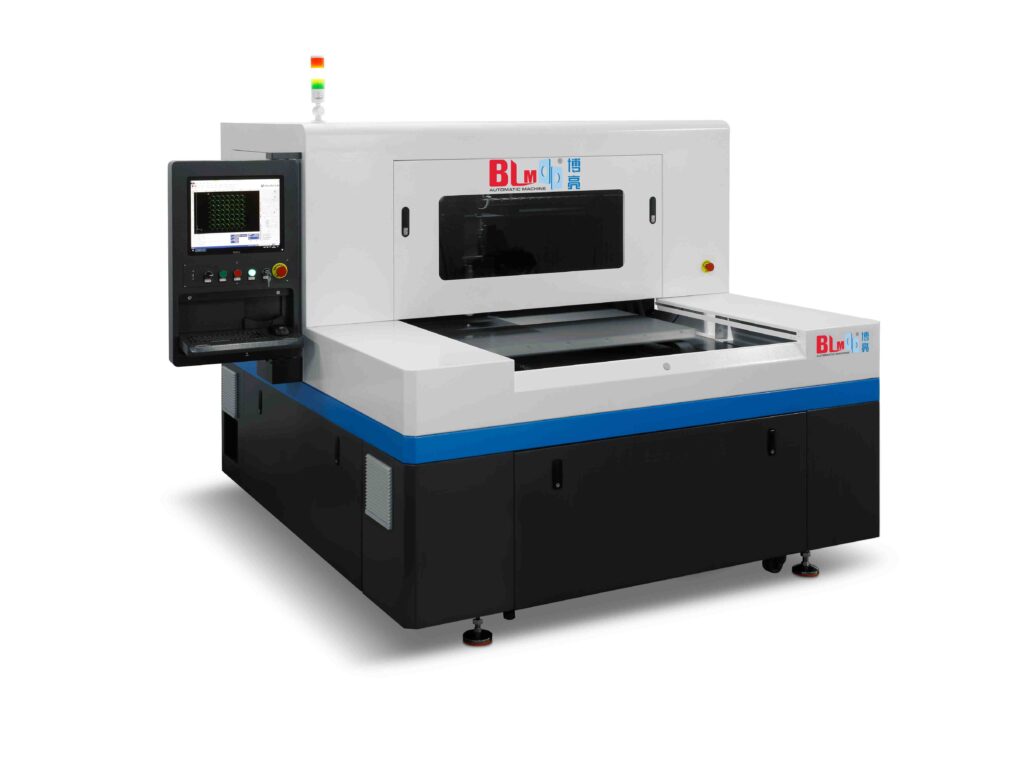
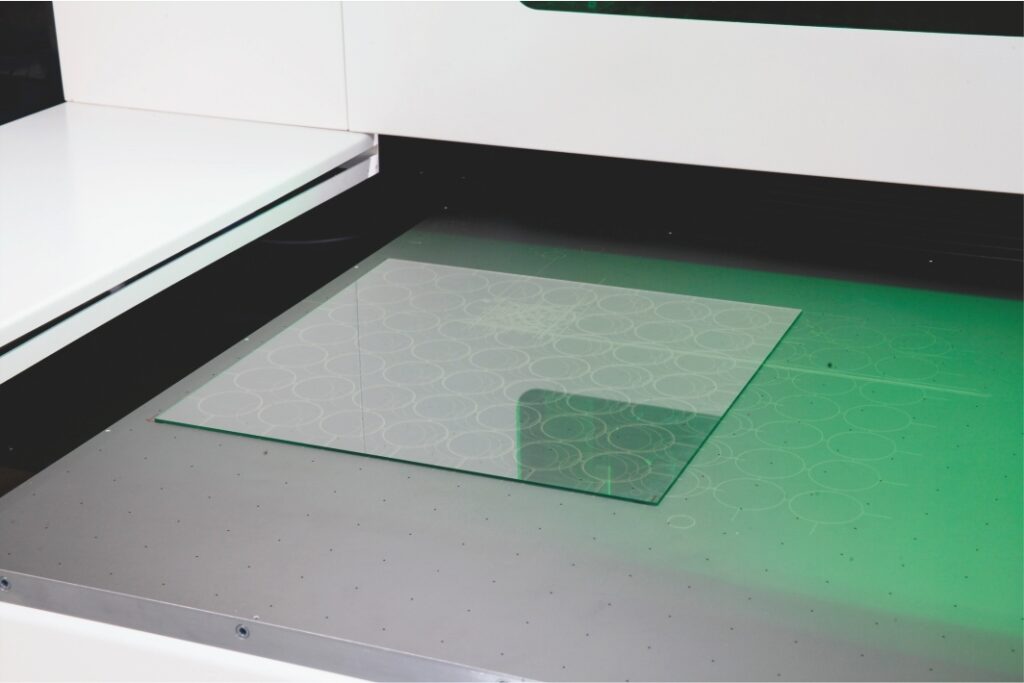
The Glass Laser Cutting & Breaking Machinejoins cutting and splitting in one auto step. It marks the path on glass with care. Then, it breaks it neatly in one go on the same unit. This setup skips extra grinding or follow-up work. Therefore, it cuts down on breaks from handling later in the process.
Engineering the Future: High-Precision Intelligent Control
Using cutting edge glass tools means building strong support for the laser tech. The build quality of these machines sets how well they work in key fields.
Top options, made by field experts, stress these main parts of good work:
- High-Precision Intelligent Control:
New laser units link with CNC systems. These allow drawing designs online and tying into ERP setups. Such features let users adjust work settings easily. Thus, the machine fits exact production tasks right away. - Rigorous Manufacturing Standards:
To keep steady exactness, machine bases go through heat treatment and five-sided CNC milling. This careful method holds part sizes to within ±0.01mm. - Global Component Standards:
To skip quality risks, key parts come from known world brands like Siemens and Schneider. Also, items such as the Glass Laser Equipment hold CE certification. This meets the Machinery Directive 2006/42/EC and rules like EN ISO 11553-1:2020. In turn, it ensures safety and quality worldwide. - Application Flexibility:
These tools manage glass from 0.1mm thick up to 20mm. This range fits many uses, from building designs and home items to electronic glass areas.
The Green Shift: Laser vs. Traditional Mechanical Processing
As world production focuses on green practices, tool choices affect a firm’s eco-impact. Moving from grinding by machine to laser cutting glass sheet tech brings clear gains in saving water, cutting waste, and boosting worker safety.
The table below shows the eco effects of old methods against new laser tech:
|
Feature |
Traditional Mechanical Processing |
Infrared Laser Technology (Glass Laser Cutting & Breaking Machine) |
|
Water Usage |
High consumption; costly wastewater treatment |
Zero (Dry Processing); no pollution |
|
Material Waste |
High breakage rate; raw material wastage |
Low; high yield & narrow kerf |
|
Environment |
High noise; hazardous dust |
Safe; dust-free & low noise |
|
Speed |
Limited by tool wear and friction |
High; up to 800mm/s (at 2mm thickness) |
By taking up laser tech, makers raise their work speed. At the same time, they help build a cleaner world. This happens through stopping water harm and lowering carbon emissions.
Selecting the Right Equipment for Automation
When adding cutting edge glass tools to a work line, the machine specs form just part of the picture. The skill to fit into a custom auto flow sets basic gear apart from full factory answers.
Automation and Digital Integration:
The best gear must back tasks like auto code reading for work details. This link lets the Glass Laser Cutting & Breaking Machine blend smoothly into smart lines. Often, it ties with load-unload tables and cleaning units.
After-Sales Assurance:
Trust goes past getting the machine. A solid help network proves key for steady output. A 2-7-24 quick answer plan stands vital:
- 2 Hours: First check and far-off help through video.
- 24 Hours: Fix for usual issues.
- Global Reach: For clients abroad, work with local teams or send staff to cut stop time.
Customization Capabilities:
In special fields like car or electronic glass, makers need custom flexible changes. Be it a stove glass drill line with robots or a detailed building glass setup, the provider must shape the answer to fit the plant’s needs.
Conclusion
Taking on cutting edge glass tools is not just a nice add-on anymore. It forms the entry point for top supply chains. From the tiny exactness of infrared lasers to green perks of no-water work, these techs give makers the power to hit tough rules of the digital and eco economy.
With stress on research and a goal to push glass tech forward, BLM offers answers from the Glass Laser Cutting & Breaking Machine to complete auto robot lines. By mixing high-exact parts and giving a full negotiation-signing-after-sales service set, it makes sure partners gain steady, sure glass deep-work skills.
FAQ
Q: What is the processing thickness range for the Glass Laser Cutting & Breaking Machine?
A: The machine is capable of processing glass thicknesses ranging from 0.1mm to 20mm. This wide range makes it highly adaptable for various applications, from ultra-thin electronic glass to thicker architectural or automotive glass.
Q: Does the laser cutting process require water or consumables?
A: No, the process is environmentally friendly and consumables-free. It utilizes “dry processing,” which eliminates the need for water cooling, thereby removing water pollution at the source and reducing water utility costs.
Q: How precise is the laser equipment compared to mechanical tools?
A: The laser equipment offers high precision with an accuracy of ≤0.02mm. This is achieved through CNC systems and high-precision gantry machining centers that ensure the dimensional tolerance of parts is strictly controlled.
Q: Can the equipment integrate with existing factory management systems?
A: Yes, the equipment supports a high degree of automation and intelligence. It can connect to factory ERP systems, support online drawing, and automatically scan barcodes to read glass processing information, facilitating digital management.
Q: What kind of after-sales support is available if the machine malfunctions?
A: There is a “2-7-24” rapid response system in place. This includes remote guidance within 2 hours, a resolution for regular faults within 24 hours, and the dispatch of engineers for on-site repairs (within 48 hours for domestic and 72 hours for overseas clients).