
Two shower panels can have the same thickness and still need different machining routes. One carries a pair of round handle holes; another needs a shaped opening for its hardware. A thickness rating tells a processor whether a machine belongs on the shortlist. The feature drawing explains whether it can complete the job. Keeping those questions separate makes equipment selection much clearer.
What a Shared Thickness Range Actually Tells You
A shared thickness range establishes a common material dimension, not interchangeable capability. The A11B, A23 and A31D all list glass thicknesses of 4–19 mm. Dividing these models into separate thin, medium and thick glass categories would therefore create a distinction that their thickness specifications do not support.
The useful comparison begins inside that common range. A factory choosing a glass drilling machine for shower panels still needs to consider the hole arrangement, panel dimensions and required operations. Passing the thickness check leaves these questions open; it does not settle them.
Thickness also cannot describe the hardware interface. A drawing identifies the diameter and position of a round hole, or the outline of a shaped opening. Those features explain what the machining process must produce. Two panels cut from the same stock can consequently place quite different demands on the equipment.
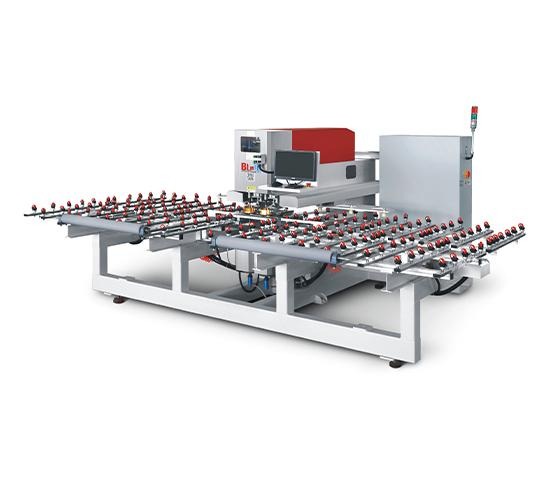
The Hardware Drawing Separates Drilling from Milling
Round holes and shaped openings require different machining actions. Drilling produces a hole, while milling follows a path to form a contour. This distinction becomes important when shower hardware requires a feature that cannot be represented by a single drilled diameter. The relevant question is the finished geometry, rather than whether both jobs use the same glass thickness.
Round Holes Define a Drilling Requirement
A panel specified only with round holes presents a drilling task. Identify the required diameters and their positions before considering additional machining functions. Do not infer that a more complicated configuration is necessary simply because the panel belongs to a shower enclosure or because another manufacturer’s demonstration includes milled features.
Shaped Openings Add a Different Operation
A shaped opening introduces a contour requirement that a diameter list cannot capture. Where the approved route uses milling, a glass milling machine must be evaluated against that contour. A successful round-hole demonstration does not establish that the same configuration can complete the shaped feature.
The equipment configuration must follow this distinction. BLM Automatic Machine’s A71X provides vertical CNC glass drilling, with milling and polishing available as optional functions. For a shower panel requiring both drilled holes and milled openings, the relevant option is an A71X configured for those operations. The model name alone does not confirm that milling is included.
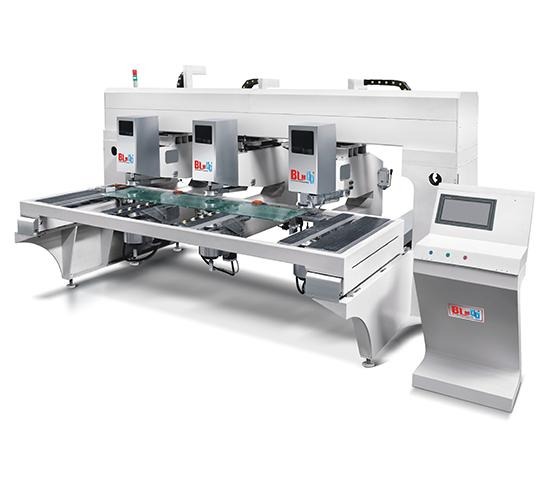
Panel Dimensions Create Another Selection Boundary
Panel dimensions remain independent of the thickness decision. A sheet can fall within an accepted thickness range yet fall outside a machine’s specified minimum or maximum size. This matters when a shower project contains both large doors and smaller panels: the common material thickness does not make their handling requirements identical.
The A71X(2515), for example, lists a minimum glass size of 800 × 300 mm and a maximum of 2500 × 1500 mm. Those figures apply to that specification. They should not be extended to a different A71X size or treated as proof that every feature position on every panel is accessible.
When assessing a vertical glass drilling machine, relate the complete panel drawing to the proposed configuration. Ask for confirmation of the required feature locations as well as overall dimensions. This is a more useful technical question than whether the equipment can process a broad category called shower glass.
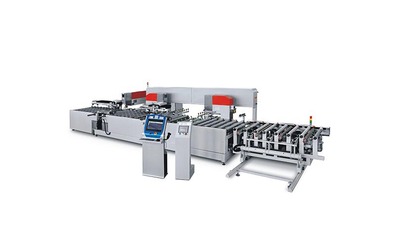
A Feature Comparison Makes the Choice Explainable
A compact comparison helps distinguish requirements that thickness alone hides. Use actual production drawings rather than a generic shower-door description. The following table is a decision aid, not a claim that every listed requirement needs a different machine.
|
Drawing information |
What it establishes |
Selection implication |
|---|---|---|
|
Glass thickness |
One material dimension |
Check the model’s stated range |
|
Round hole diameters |
Drilling features |
Confirm tools and positions |
|
Shaped opening outline |
Contour requirement |
Confirm the required milling configuration |
|
Overall panel dimensions |
Workpiece envelope |
Check minimum and maximum sizes |
|
Required feature finish |
Acceptance condition |
Evaluate a representative machined panel |
An evaluation of CNC for glass becomes more useful when each requested function has a corresponding feature. That connection gives the production team a reason for including the function and a practical way to inspect the result. Extra capability without a defined use does not resolve the original selection question.
A Representative Panel Resolves the Remaining Questions
A representative panel should contain the features that determine the choice. For a processor evaluating a CNC machine for glass, a plain rectangle with one easy hole may leave the decisive shaped opening untested. Choose work that reflects the intended route, then discuss the result against its approved drawing.
Keep the review focused on the features that matter:
Confirm the specified glass and panel dimensions.
Identify which features are drilled and which require milling.
Inspect the relevant locations, dimensions and finish.
Record the configuration used to produce the panel.
The sample supports a bounded conclusion. It demonstrates what was produced under the recorded conditions; it does not establish capability for every thickness, panel size or hardware design. If the intended range includes materially different work, identify that gap before treating the trial as representative.
Thickness Is the First Filter in a Feature Based Choice
Shower-panel selection becomes clearer when thickness, geometry and configuration remain separate checks. The A11B, A23 and A31D share a stated thickness range, so thickness alone cannot rank them. Where the work requires an A71X drilling-and-milling route, confirm the fitted functions and evaluate the actual panel features before settling the configuration.
If you need help matching shower-panel drawings to the appropriate drilling and milling configuration, please contact us.
FAQ
Can thickness alone distinguish A11B, A23 and A31D?
No. All three list 4–19 mm glass thickness. Compare the actual panel and machining requirements rather than assigning each model a different thickness category.
Does shower glass always require milling?
No. The feature drawing determines the operations. Round holes present a drilling requirement; shaped openings may require a milling route. Confirm the intended process for the particular hardware geometry.
Is milling standard on every A71X?
No. Milling and polishing are optional functions. Confirm the configuration being offered instead of assuming that every machine carrying the A71X name includes them.
Can a suitable thickness compensate for an undersized panel?
No. Thickness and overall dimensions are separate limits. A panel must satisfy the applicable workpiece requirements, including the specified minimum size of the selected configuration.
What makes a useful comparison sample?
It contains the features that determine the equipment choice. Include the relevant drilled holes and any required milled opening, then assess the result against the approved drawing and agreed finish requirements.