
Introduction
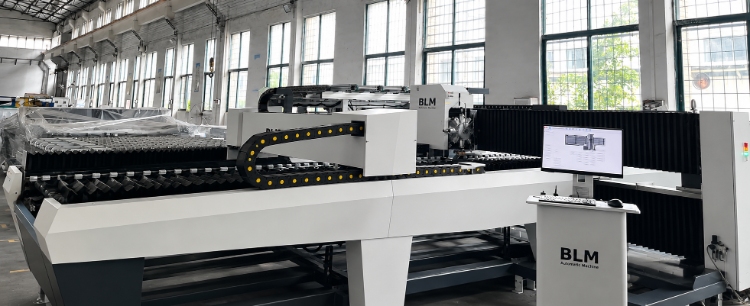
CE-certified integrated equipment helps export-focused glass factories reduce compliance risk, protect workers, and improve production consistency. A modern glass drilling and milling machine is not just a drilling unit. It combines drilling, milling, and optional polishing in one controlled CNC process, making it suitable for shower enclosure glass, architectural glass, and scattered custom orders.
For buyers searching for CNC drilling and milling for glass explained, the key point is simple: safer processing comes from fewer manual transfers, better CNC control, verified safety design, and stable machine structure.
Why Is CE Certification the First Requirement for Exporting Glass Processing Equipment?
How does CE certification reduce compliance risks for overseas buyers?
CE certification helps overseas buyers judge whether equipment meets basic safety and electrical requirements before shipment, installation, or factory acceptance. For European and international projects, buyers usually check machine protection, electrical layout, warning labels, emergency stop design, and operating documentation.
A CE-certified glass drilling and milling machine helps reduce:
*Audit and acceptance uncertainty
*Installation approval risk
*Electrical safety concerns
*Worker safety disputes
*Delivery delays caused by incomplete machine documentation
For export glass factories, CE is not only a market-entry condition. It is also a practical tool for customer reviews and long-term project trust.
Why is CE certification closely linked to factory worker safety?
Glass processing involves rotating tools, water, heavy glass sheets, and high-speed positioning. Any unsafe control design may lead to broken glass, tool damage, or operator injury.
A safer machine should include emergency stop systems, protective structures, clear electrical identification, alarm display, and reliable machine verification. When electrical components are clearly marked, maintenance teams can find faults faster and avoid unsafe trial operation.
What documents and machine features help buyers pass compliance reviews?
Buyers should prepare CE documents, machine manuals, electrical information, testing records, maintenance guidance, and after-sales terms. For the A98, practical review points include industrial computer control, barcode scanning, CAD/DXF import, ERP connection, limit switches, automatic lubrication, and clear electrical component identification.
These details help buyers prove that the machine is not only functional but also easier to operate, maintain, and verify.
How Does a Glass Drilling and Milling Machine Improve Safety Compared with Separate Machines?
Why does integrated drilling and milling reduce manual handling?
Separate machines require repeated glass transfer. A worker may move the same sheet from drilling to milling, then to polishing or washing. Every transfer increases the risk of edge impact, glass breakage, worker contact, and production delay.
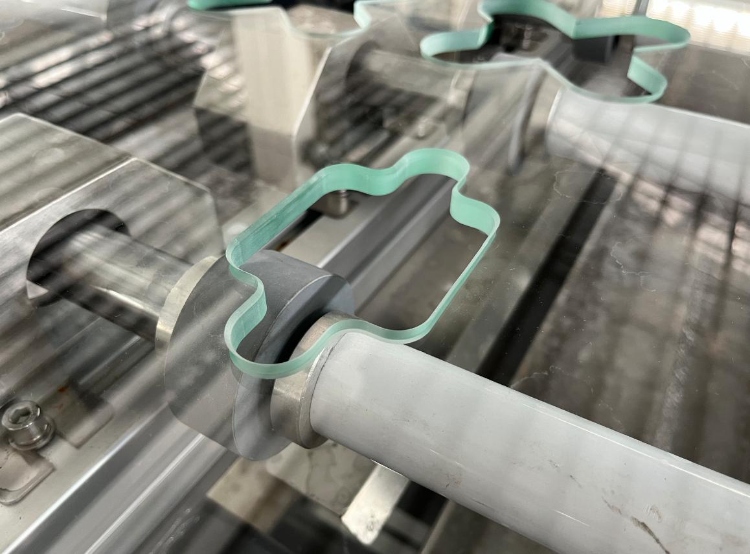
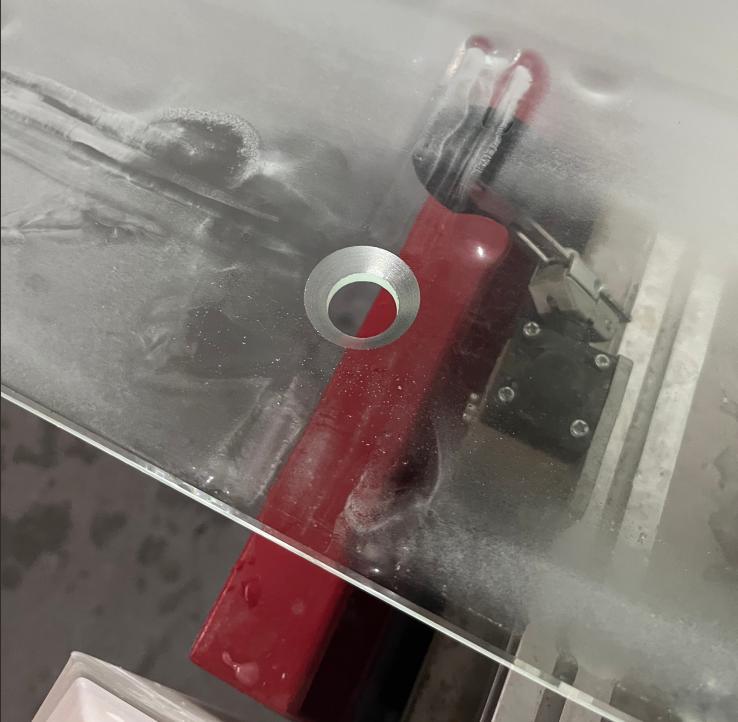
An integrated glass drilling and milling machine keeps more work inside one CNC flow. Drilling handles hardware holes and round openings. Milling handles slots, shaped processing, and special layouts. Optional polishing can support higher finish requirements.
This is especially useful for scattered orders, where size, hole diameter, and layout change frequently.
How does CNC automation improve precision glass drilling while protecting operators?
Precision glass drilling depends on accurate positioning and correct drawing input. CNC automation reduces manual marking and repeated data entry.
The A98 uses an industrial computer interface. Operators can import CAD, DXF, and hole-format drawings. A barcode or QR code scanner can call processing data online. The machine can also connect with ERP for drawing import and production traceability.
This protects operators by reducing direct manual adjustment near the tool area. It also improves hole-position consistency and lowers rework risk.
Why is a stable machine structure essential for long-term safety?
Long-term safety depends on structural stability. If the frame deforms, drilling accuracy may drift and operators may need more correction work.
The A98 main beam uses thick steel plates. The frame goes through welding, annealing, gantry milling, sandblasting, rust removal, and painting. This process helps maintain accuracy during long-term use. Automatic oil pumping also keeps moving parts lubricated regularly and quantitatively.
|
Factor |
Separate Machines |
A98 Integrated Machine |
|
Glass handling |
More transfers |
Fewer transfers |
|
Process flow |
Split drilling and milling |
Integrated drilling and milling |
|
Input method |
More manual input |
CAD/DXF, barcode, ERP |
|
Tool flexibility |
Slower changeover |
8+8 spindle, 16 tool positions |
|
Best fit |
Single-process production |
Scattered multi-spec orders |
What Makes the A98 a Practical Custom Glass Drilling and Milling Machine?
How does the 8+8 spindle design support flexible production?
The A98 is a custom glass drilling and milling machine for drilling, milling, and optional polishing. Its 8+8 spindle design allows 16 tool positions, helping factories process different hole diameters without frequent manual tool replacement.
|
A98 Item |
Specification |
|
Processing range |
X1: 0–6000 mm; Y1/Y2: 0–2500 mm |
|
Max glass size |
6000 × 2500 mm |
|
Min glass size |
1200 × 300 mm |
|
Drilling diameter |
Φ6–Φ50 mm |
|
Glass thickness |
4–19 mm |
|
Screw propulsion speed |
0–3 mm/s |
|
Table height |
900 ± 20 mm |
|
Overall size |
13700 × 5600 × 1800 mm |
For scattered production, this structure reduces downtime and improves order flexibility.
Why is ERP connectivity valuable for compliance and traceability?
ERP connection helps factories link office drawings, order data, and workshop processing. Barcode scanning reduces manual input errors. CAD/DXF import keeps drawings consistent from design to production.
For export factories, this supports traceability, repeatability, and customer audit preparation.
How does A98 fit the shower enclosure glass drilling machine production?
A shower enclosure glass drilling machine must process handle holes, hinge holes, and mixed-size panels with high repeatability. The A98 supports large-format glass, Φ6–Φ50 mm drilling, milling functions, and production line connection. BLM Automatic Machine applies this integrated design for factories that need both scattered-order flexibility and export-ready safety.
CNC Drilling and Milling for Glass Explained: How Can Factories Build a Safer Line?
Which factory practices maximize machine safety?
CNC drilling and milling for glass explained at the factory level means combining CE equipment with disciplined management. Operators should receive training before independent use. Maintenance teams should check emergency stops, alarms, lubrication, positioning accuracy, and protective devices regularly.
Factories should also control drawing versions, record alarms, review glass breakage causes, and plan preventive maintenance.
What should buyers evaluate before purchasing?
Buyers should check CE authenticity, safety design, processing range, spindle configuration, CAD/DXF compatibility, ERP connection, frame manufacturing process, spare parts supply, software support, and future line integration.
Conclusion
CE certification helps glass factories enter international markets, protect workers, and improve customer audit readiness. The A98 integrates drilling, milling, and optional polishing into one CNC platform, making it practical for precision glass drilling, shower enclosure glass, architectural glass, and scattered custom orders. With 8+8 spindles, ERP connection, barcode scanning, stable structure, and line integration capability, it supports safer and more efficient glass processing.
FAQ
How does a CE-certified glass drilling and milling machine improve safety?
It uses emergency stop systems, clear electrical identification, alarm display, and verified safety control to reduce unsafe operation risks. It also means workers have to touch and move the glass much less often.
Can the A98 glass drilling and milling machine reduce dependence on separate drilling and milling steps?
It can reduce dependence on separate drilling, milling, and polishing steps by combining these processes in one CNC-controlled workflow.
Is A98 suitable for shower enclosure glass drilling and milling production?
Yes. It supports large glass sizes, Φ6–Φ50 mm drilling, 4–19 mm glass thickness, CNC-controlled positioning, and milling functions, making it suitable for shower enclosure glass processing lines that require both drilling and milling.
What affects the price of a custom glass drilling and milling machine?
Price depends on processing range, spindle configuration, automation level, ERP connection, safety design, and customization requirements.
What after-sales support matters for precision glass drilling equipment?
You should look for help with setup, training for your team, clear manuals, and a way to get parts or remote help quickly.