
Introduction
The worldwide glass processing sector is stepping into a fresh buying phase. Customers no longer just ask if a tool can make holes. Instead, they want to find out if a single setup can cut down on manual moving. They also check if it can boost placement accuracy and handle shaping tasks. Furthermore, they need it to link with factory data systems. They want to get ready for upcoming production line updates too. For these reasons, all-in-one gear is turning into a hot topic. This matters greatly to glass machine wholesalers and glass machine suppliers. It is equally vital for shower stall factories, furniture glass makers, and building glass producers.
At BLM Automatic Machine, this exact need ties deeply to actual floor pressures. Plants require gear that can work with various glass dimensions. They want to cut down on typing data over and over. They also need to manage hole-making and shaping through a steadier routine. For shoppers looking into CNC drilling and milling for glass explained, the A71X series stands out as a handy choice. It merges an upright frame with self-moving transport. It also features computerized hole-making control and extra shaping cutter options. Plus, it brings smart running features into one single unit.
What Does CNC Drilling and Milling for Glass Explained Mean?
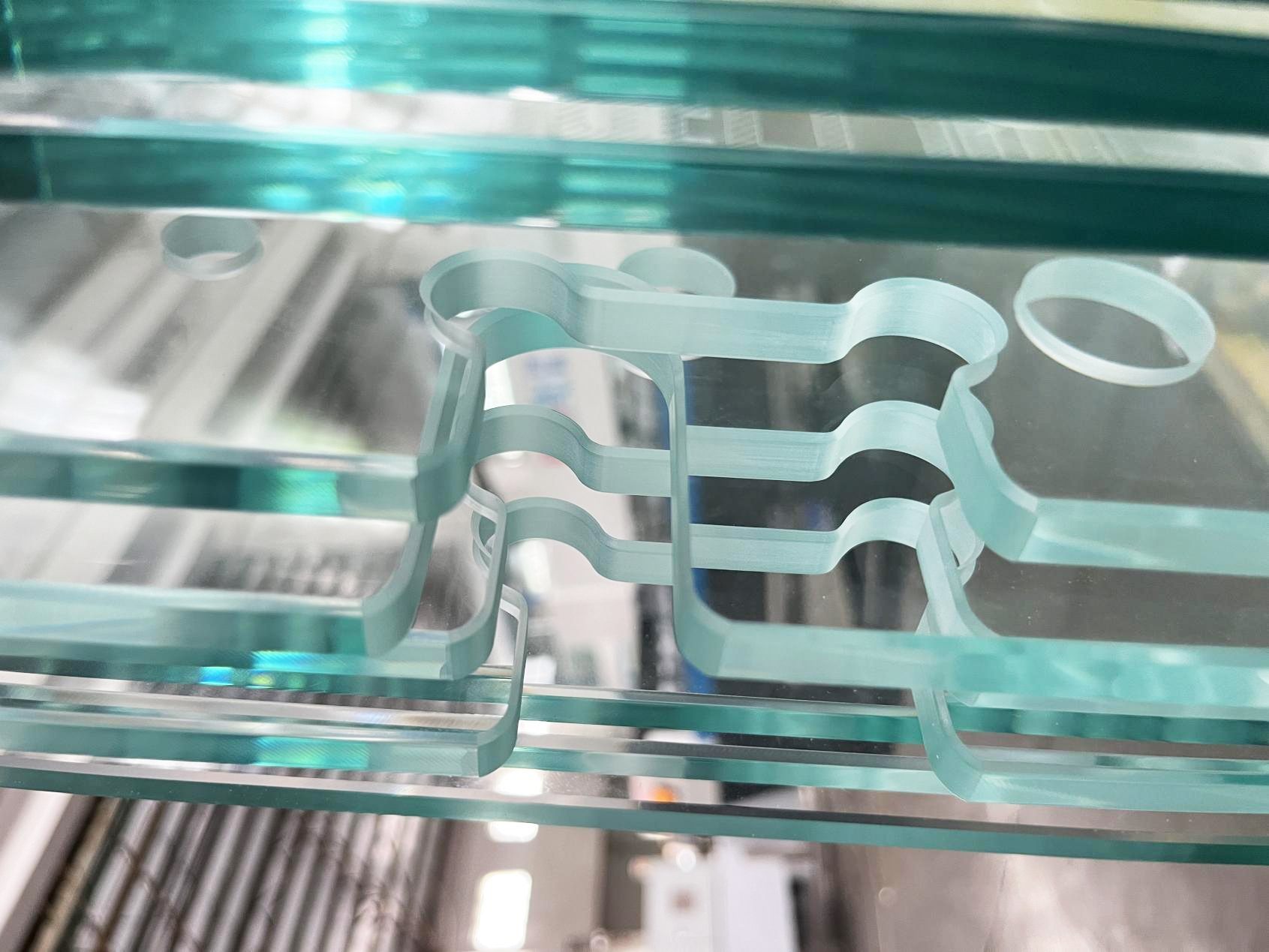
CNC drilling and milling for glass explained should never be seen as just a fuzzy tech term. In actual factory work, the hole-making part creates exact spots for hinges and pulls. It also makes spots for mounts, joints, and other metal parts. Shaping takes away glass along a set route. This creates grooves, custom cutouts, or edge outlines around the needed pattern. When computerized motion guides both tasks, the tool follows exact digital numbers. It does not rely simply on hand placement.
The true worth of computerized control lies in doing things exactly the same way every time. Once the blueprint and task details are locked in, the tool can trace the exact same route for repeat jobs. This lowers the chance of bad hole spots. It also helps keep things matching across different batches. For a shower enclosure glass drilling and milling machine, this detail is extremely vital. Bathroom glass sheets frequently need the same hinge spots, pull spots, and mount locations across varying sheet sizes.
How Does A71X Combine Drilling, Milling, and Polishing?
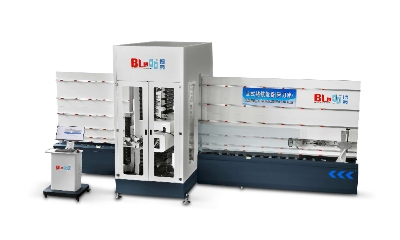
The A71X is a vertical glass drilling, milling, and polishing machine integrating automated conveying, CNC drilling, and intelligent control. It uses an upright build. It merges a self-moving transport setup with a computerized hole-making system. It includes a smart control unit too. Its primary parts feature the feeding section, the working section, the sending-out section, and the main computer desk.
While running, the panel rests on the rollers of the feeding desk. When the sensor spots the panel, the suction positioning system fixes the glass sheet. Then, the placement step starts. During the shaping task, vertical guiding rollers stabilize the glass during processing. This helps keep the working step steady. After the hole-making and shaping tasks finish, the panel shifts to the sending-out part. This specific routine is built for plants that need steady handling of large glass sheets. It also cuts down on needless moving between separate units.
Why Does Vertical Structure Matter for Large Glass Processing?
The upright frame stands as one of the most useful reasons buyers pick this kind of gear. Big glass sheets need safe moving and plenty of floor space. An upright design helps ease space worries. It also makes the unit simpler to slot into plants that already run upright edge-grinding tools or upright washing units.
The A71X can run as a single unit. But it can also link up with upright edge-grinding tools and upright washing units. This creates a fully automated making line. This gives glass machine suppliers a much better answer for shoppers. These buyers might want to begin with one unit and later move up to a linked routine. For plants making shower room panels, building panels, exterior glass, door panels, furniture panels, and balcony glass, this adaptability helps a lot. It supports both present jobs and later growth plans.
How Does Automatic Tool Change Support Different Orders?
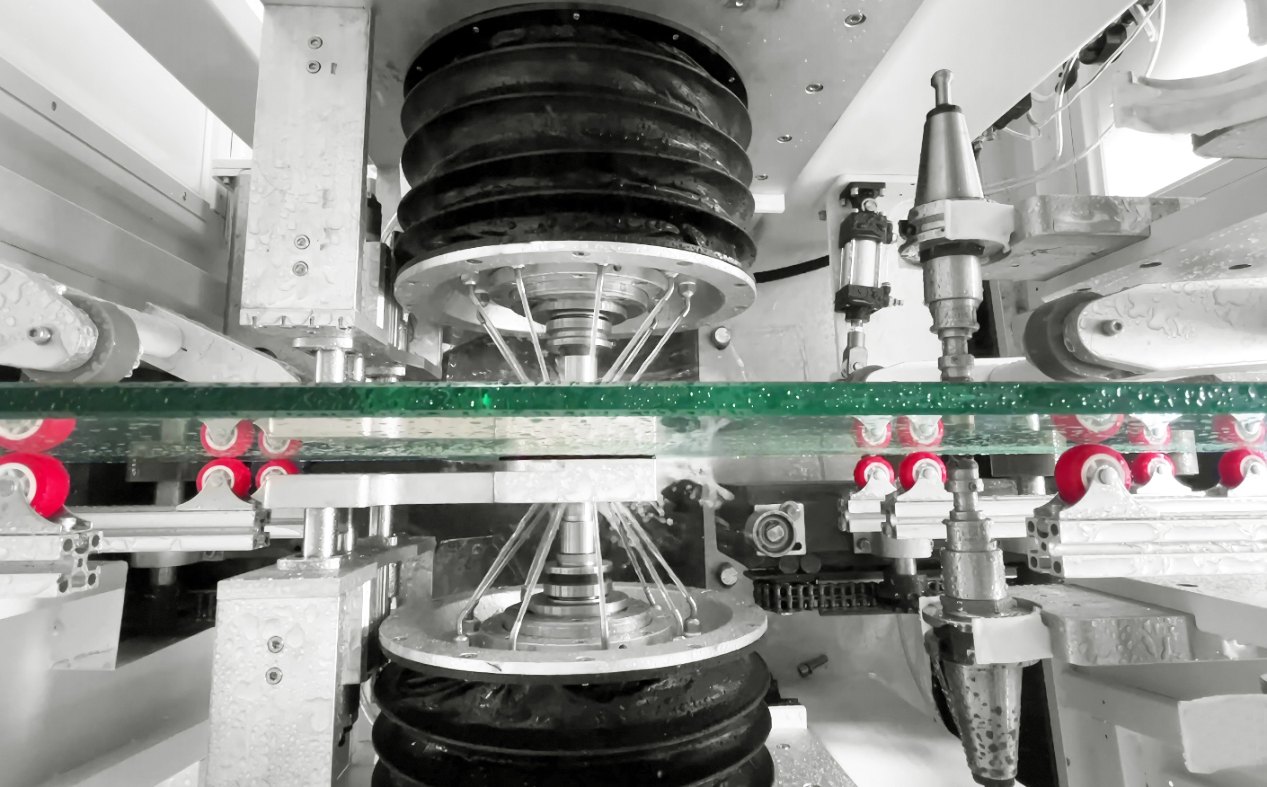
Swapping cutters is an unseen expense in glass working. If workers have to halt the unit often to swap out bits, the speed falls sharply. The A71X uses a self-swapping cutter system featuring BT40 holder specs. It supports multiple tool positions for different drilling diameters, reducing tool change time. This cuts down manual swapping time when dealing with different hole sizes.
This proves very handy for shower stall panels. One single sheet might need varying holes for pulls, hinges, brace bars, and setup parts. It is equally handy for furniture panels and building glass. In those cases, job needs can shift from one batch to the next. By mixing hole-making tech with shaping tech, the unit helps buyers tackle harder tasks. It does this without turning every job swap into a lengthy setup chore.
What Specifications Should Buyers Check Before Ordering?
Before picking a version, shoppers must check the glass dimensions and working limits. They should look at the holder count, hole width, glass thickness, and turning speed. These details directly decide if the unit can meet the buyer’s actual making needs.
|
Model |
Max Glass Size |
Min Glass Size |
Processing Range |
Tool Holders |
Diameter |
Thickness |
Spindle Speed |
|
A71X(2515) |
2500×1500mm |
800×300mm |
X:0–2500mm / Y:0–1500mm |
6×2 |
φ6–φ50mm |
4–19mm |
12000rpm |
|
A71X(3020) |
3000×2000mm |
800×300mm |
X:0–3000mm / Y:0–2000mm |
8×2 |
φ6–φ50mm |
4–19mm |
12000rpm |
|
A71X(4225) |
4200×2500mm |
800×300mm |
X:0–4200mm / Y:0–2500mm |
8×2 |
φ6–φ50mm |
4–19mm |
12000rpm |
|
A71X(6030) |
6000×3000mm |
800×300mm |
X:0–6000mm / Y:0–3000mm |
8×2 |
φ6–φ50mm |
4–19mm |
12000rpm |
People should not mix up the A71X with the A71 or A72. Those two are just upright glass hole-making tools. Also, it should not be confused with the A92 or A98. Those have varying hole-making, shaping, and smoothing setups. The A71X is built clearly as an upright hole-making, shaping, and smoothing unit. It is meant for big glass jobs and line-linking needs.
Conclusion
Combined gear is turning into the norm because glass makers need tools that fix more than one making issue. A glass vertical drilling and milling machine can cut down on manual moving. It boosts blueprint-based tasks. It handles hole-making and shaping in one smooth routine. It also gets plants ready for more robotic setups. For glass machine wholesalers, it forms a much stronger tech answer. For glass machine suppliers, it clears up buyer worries regarding room, exactness, worker effort, and future line links. For plants wanting a Shower enclosure glass drilling and milling machine, the A71X provides a very handy route. It moves them from single-unit working to a much more linked, making setup.
FAQ
How much does a glass vertical drilling and milling machine cost?
The price relies on the version size and the glass working limits. It also depends on the holder count and robotic needs. It changes based on whether the unit will run alone or link with other upright gear. Shoppers must share the glass dimensions, thickness, blueprint kind, and item group before asking for a price.
How do glass machine wholesalers choose the right A71X model?
Glass machine wholesalers must pair the version with the buyer’s biggest glass dimensions. They should look at the usual hole width and glass thickness. They also need to consider the future making-line plan. Smaller plants might pick the A71X(2515) or A71X(3020). Meanwhile, bigger building glass makers might require the A71X(4225) or A71X(6030).
Can a Shower enclosure glass drilling and milling machine process other types of glass?
Yes, it certainly can. A fitting Shower enclosure glass drilling and milling machine can also work on door panels and balcony glass. It handles furniture panels, exterior glass, and building glass too. This works fine as long as the glass dimensions, thickness, and task needs fit the unit’s limits.
What after-sales support should glass machine suppliers provide?
Glass machine suppliers must offer setup help and running lessons. They should give upkeep guides and remote fix help. They must provide spare parts and clear warning alerts to make finding faults easier. For combined gear, good after-sales help forms a huge part of the unit’s true worth.