
A part that bolts into place has passed only the first compatibility check. The machine must also recognize it and perform the intended operation. For an A98 handling changing glass orders, those details matter as much as the mounting dimensions. A sound replacement decision connects the component to the functions and controls of the actual installation.
The Installed Configuration Defines the Replacement
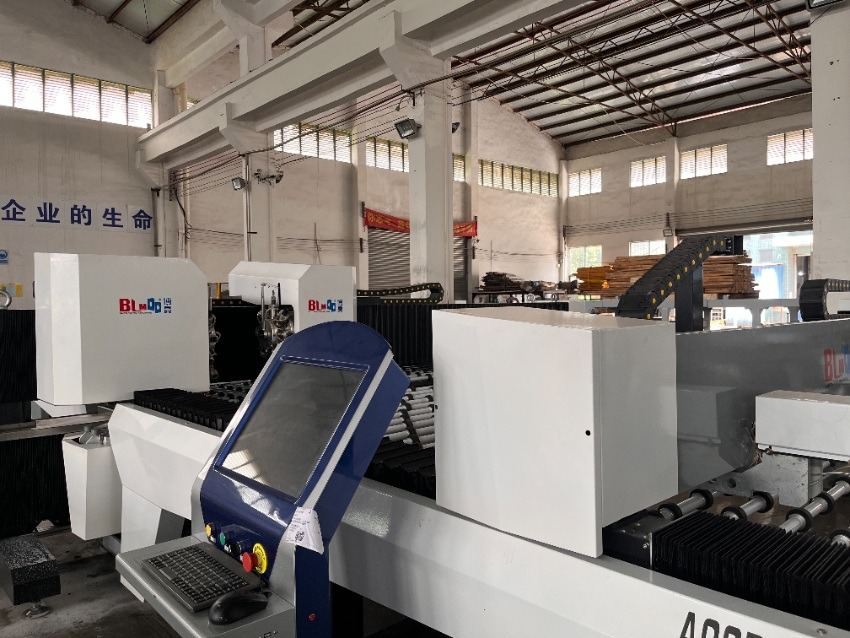
The work being processed explains why configuration matters. Consider one panel with several drilled diameters, followed by another that needs a milled opening. The replacement must serve the functions fitted to that machine. A photograph of a similar installation offers context, but it cannot establish that the components are interchangeable.
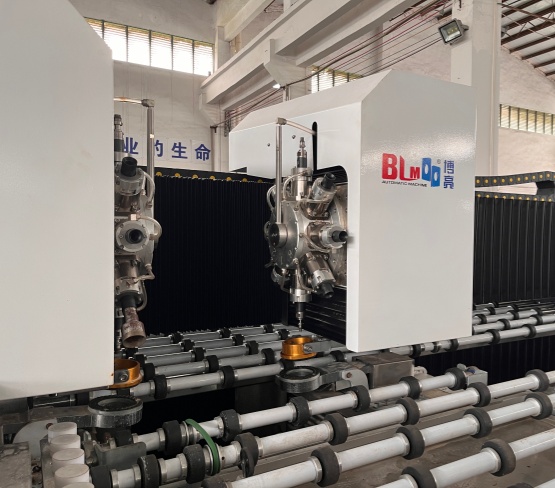
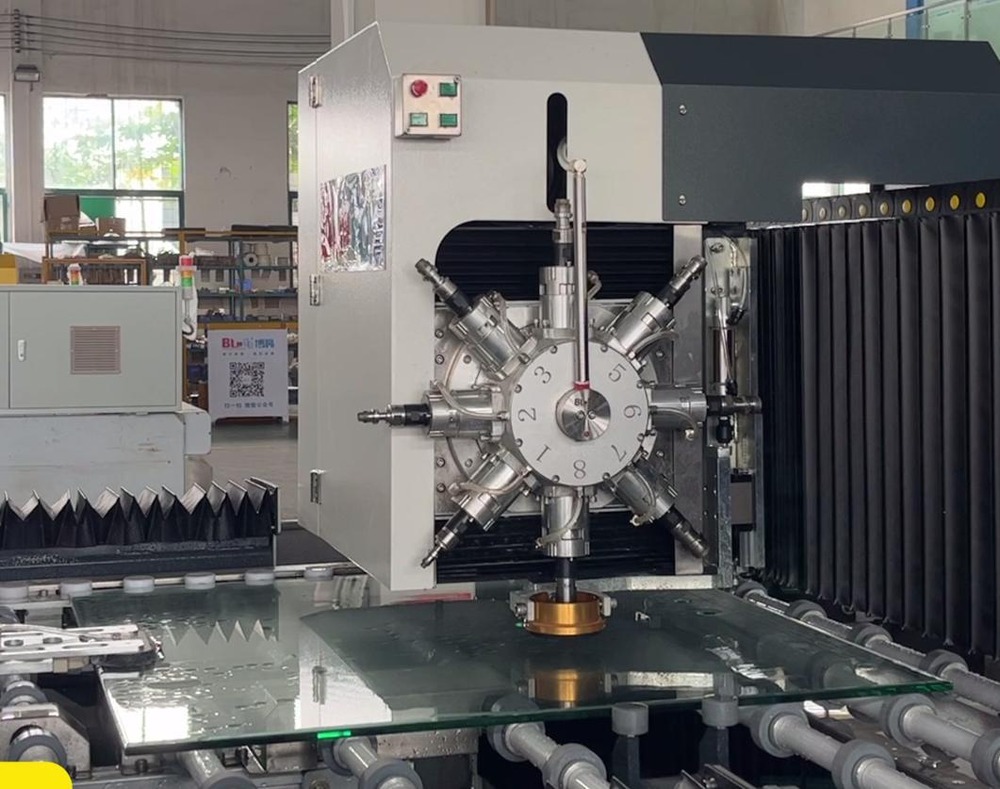
The A98 addresses this changing-order context through CNC drilling, with milling and polishing dependent on configuration. BLM Automatic Machine’s стеклянная буровая и фрезерная машина includes milling in the Y1 head of its equipped A98(8X) configuration. That specific arrangement matters when discussing a head-related replacement; it should not be assumed for every A98 installation.
The full component identity narrows the choice beyond the machine family. An A98 designation identifies the equipment, while the part number identifies an item within it. When a CNC glass machine needs a replacement, relate that number to the affected location and assembly. Otherwise, the discussion remains too broad to establish a match.
Similar Dimensions Can Hide Different Functions
Physical fit answers where a part can go. It does not answer what the part will do when connected. Mounting dimensions and operating characteristics therefore need separate confirmation, even when a substitute slides neatly into the existing position. Acceptance should follow the installed application’s requirements.
A Sensor Must Send the Expected Signal
A sensor’s output can differ even when its housing looks familiar. NPN and PNP transistor outputs use different connection arrangements; normally open and normally closed outputs behave differently when a target is detected. The outside appearance cannot tell a technician whether the existing controller will receive the signal it expects.
The A98(8X) uses limit switches at its input and output tables, with a design intended to avoid false signals from water on the glass. A replacement discussion must preserve the installed sensing function and application conditions. This does not establish a universal sensor type or part number for every A98.
A Drive Replacement Also Has a Control Context
Servo-system replacement can involve configuration as well as hardware. In some systems, replacing a controller or amplifier requires restoration of application settings; replacing an absolute-encoder motor can require re-establishing the axis position. The exact procedure depends on the installed system, so a motor’s power rating alone is insufficient evidence of interchangeability.
For distributors supporting glass processing machinery, these distinctions explain why “same size” and “same rating” are incomplete descriptions. The replacement must work with the machine’s existing interfaces and control requirements. Technical confirmation should resolve those relationships before the substitute is accepted.
What Electrical Labels Can and Cannot Establish
Component identification makes the compatibility question easier to resolve. The A98(8X) has clearly marked electrical components with corresponding identification on the machine. Its interface also displays input/output signals and alarms. Together, these features help a technician relate a reported symptom to the relevant circuit or component location.
Electrical labels help locate a component, but they cannot approve an alternative. Similar descriptions may hide different output behavior or application requirements. Keep the complete part identity tied to the individual machine, especially after a modification. An earlier replacement deserves the same attention as an original component when establishing what is now installed.
|
Evidence available |
What it establishes |
What still needs confirmation |
|---|---|---|
|
A98 model name |
Equipment family |
Installed configuration |
|
Component label and location |
Relevant circuit or assembly |
Complete replacement identity |
|
Matching mounting dimensions |
Physical fit |
Functional and control compatibility |
|
Alarm and I/O observations |
Reported operating condition |
Cause and approved corrective action |
|
Replacement fitted successfully |
Installation completed |
Required functional verification |
An alarm is a lead for investigation, not proof that a particular device has failed. The table separates what is known from what remains to be checked. If the cause lies elsewhere, replacing the most obvious component leaves the original fault in place, however well the new part fits.
After-Sales Support Should Resolve the Match
Technical support earns its value by explaining the proposed match. When comparing Производители стеклянных машин, ask how the suggested component relates to the installed part and the reported symptom. Calling an item “standard” leaves that relationship unexplained. The buyer needs a reason to accept it for this particular machine.
A focused discussion can resolve three practical questions:
Does the replacement match the installed assembly and function?
Are settings or position references affected by the change?
Which checks confirm readiness for the required operations?
The answer should cover both drilling and milling where fitted. If work affects a shared motion or control function, verifying only a simple drilled hole may leave a milling-related issue unexamined. Select representative checks with the responsible technician instead of treating the disappearance of an alarm as complete production approval.
Approved records make the next replacement less ambiguous. Keep the confirmed part identity and any authorized configuration change associated with that individual machine. For teams maintaining CNC glass machinery across several sites, this prevents a successful substitution on one installation from becoming an unsupported assumption about another.
A Replacement That Restores the Intended Function
A suitable replacement reproduces the required function within the installed configuration. The strongest evidence joins complete component identification with mechanical, electrical and control compatibility. For an A98 processing mixed orders, that means confirming the relevant drilling and milling functions before returning the equipment to its normal workload.
If you need help confirming an A98 component against its installed configuration, please contact us for technical support.
Часто задаваемые вопросы
Is the A98 model name enough to order a part?
No. It identifies the machine family, while the installed configuration and complete component identity establish the replacement requirement. Include the affected assembly and any authorized modification when discussing compatibility.
Can matching sensor dimensions prove compatibility?
No. Output configuration and switching behavior can differ even when devices look similar. The replacement must match the installed circuit and sensing application, as well as its physical mounting.
Does a cleared alarm mean the replacement is correct?
Not by itself. An alarm disappearing does not establish that every required operation works correctly. Complete the applicable verification with the responsible technician, including drilling and milling where the affected functions require it.
Are drilling and milling components interchangeable?
Do not assume so. The operations and fitted assemblies differ. Confirm the component against its intended head, function and installed configuration rather than selecting it because it belongs to the same machine family.
Why retain the approved replacement record?
It preserves the relationship between that component and that particular installation. Future technicians can then distinguish an approved match from a similar-looking part or an undocumented change on another machine.