
يشهد سوق الزجاج المعماري العالمي تحولاً كبيراً، حيث بات يميل نحو وحدات الزجاج الضخمة والثقيلة ومتعددة الاستخدامات. تتطلب ناطحات السحاب الحديثة والواجهات التجارية الفاخرة والمنشآت الزجاجية الهيكلية الكبيرة ألواحاً سميكة وكبيرة الحجم. بالنسبة للمصانع الكبيرة، يُمثل التعامل مع هذه الألواح الزجاجية الضخمة تحديات إنتاجية جسيمة. إذ تشغل معدات الحفر الأفقي التقليدية مساحات أرضية شاسعة، كما تتطلب خطوات محفوفة بالمخاطر لإمالة الألواح وقلبها، فضلاً عن ارتفاع معدلات الكسر نتيجةً للإجهاد الذي تتعرض له المادة.
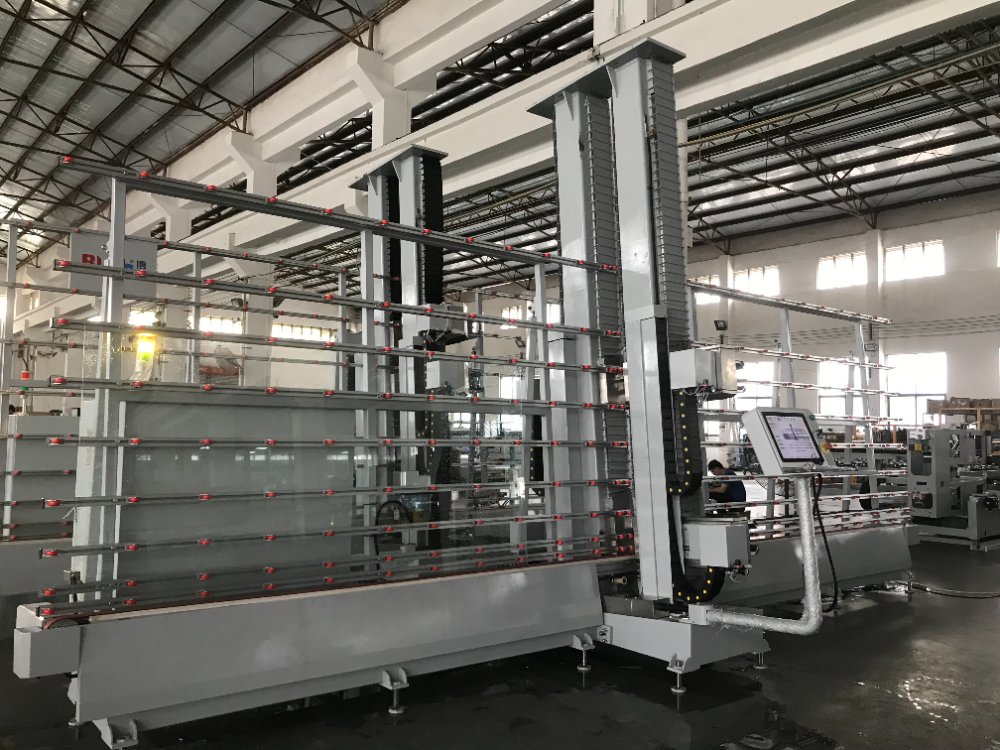
لمعالجة هذه المشكلات الهيكلية، تُجري كبرى الشركات المصنعة تغييرات على تصميمات مصانعها. وقد أصبح استخدام آلات حفر الزجاج العمودية المتطورة الوسيلة الرئيسية لزيادة استغلال المساحة ودعم الإنتاج الآلي. وعلى وجه الخصوص، أصبحت سلسلتا A71 وA72 من شركة BLM Automatic Machine المعيار الصناعي لمصانع الزجاج المعماري الكبيرة التي تسعى إلى تحسين الإنتاجية لكل متر مربع.
ما هي آلة حفر الزجاج العمودية ولماذا تتفوق على النماذج الأفقية؟
إن الاختلاف الميكانيكي الرئيسي بين التركيبات الأفقية والرأسية يفسر سبب قيام الصناعة بنقل معداتها بهذه السرعة.
- توفير مساحة الأرضية: تتطلب وحدات معالجة الزجاج الأفقية طاولات نقل كبيرة قبل وبعد منطقة المعالجة الرئيسية. تحمل هذه الطاولات ألواح الزجاج الضخمة بشكل مسطح. في المقابل، يقوم نظام A71 أو A72 الرأسي بمعالجة الزجاج وهو مائل بزاوية طفيفة. يوفر هذا التغيير أكثر من 50% من مساحة أرضية الإنتاج مقارنةً بالتصميمات الأفقية، مما يتيح مساحة قيّمة لخطوط معالجة إضافية.
- كفاءة مناولة المواد: عندما يكون الزجاج المعماري السميك مسطحًا، يضطر العمال إلى استخدام أنظمة رافعات علوية ضخمة أو طاولات إمالة ميكانيكية معقدة. تقوم هذه الأدوات بقلب الزجاج لمعالجته أو نقله من كلا الجانبين. أما آلات الزجاج العمودية فتغني عن الحاجة إلى آليات الإمالة الخطرة، إذ يبقى الزجاج منتصبًا طوال دورة المعالجة. هذا الأسلوب يمنع الانحراف الناتج عن الجاذبية ويقلل من خطر التشققات الدقيقة أو التحطم الكامل.
- تكامل سلس في الإنتاج: تعمل آلات حفر الزجاج العمودية الصناعية بكفاءة عالية كوحدات نمطية داخل مرافق التصنيع المتطورة. مصانع آلات حفر الزجاج العمودية المتخصصة و موردي آلات الزجاجيتم تطوير هذه الوحدات. وهي مصممة للاتصال المباشر بآلات تقطيع حواف الزجاج العمودية، والغسالات العمودية، والناقلات الآلية. والنتيجة هي تدفق إنتاج مستمر بدون تلامس.
لماذا تعتبر A71/A72 المعايير الموفرة للمساحة للإنتاج على نطاق واسع؟
يتطلب بناء آلة صناعية ثقيلة إيجاد توازن بين صغر حجمها وقدرتها على التعامل مع قطع العمل الكبيرة. ويلبي طرازا A71 وA72 هذه الحاجة من خلال تصميم هيكلي ذكي.
- حجم صغير مع قدرة فائقة: يشغل طراز A71 القياسي مساحة تقريبية تبلغ 3900 × 2900 مم. ومع ذلك، يمكن لهيكله معالجة ألواح معمارية تصل أبعادها إلى 3200 × 2500 مم. أما بالنسبة للمشاريع الإنشائية الضخمة، فيزيد طراز A72 من هذه القدرة، حيث يمكنه التعامل مع ألواح ضخمة تصل أبعادها إلى 4000 × 2500 مم مع الحفاظ على عمق الماكينة عند الحد الأدنى.
- تحسين تصميم المساحة متعددة الوحدات: يسمح العمق الضيق من الأمام إلى الخلف لمهندسي المصنع بوضع عدة آلات زجاجية عمودية جنبًا إلى جنب. تتسع هذه الآلات داخل نفس الحيز الذي يتسع عادةً لخط أفقي واحد فقط. يتيح هذا التصميم العمودي للمصنع مضاعفة طاقته الإنتاجية في مجال الحفر والطحن دون الحاجة إلى إضافة جدران جديدة للورشة.
كيف تضمن A71 و A72 دقة عالية في حفر الزجاج المعماري؟
تفقد وفورات المساحة قيمتها إذا لم تستطع المعدات تلبية المعايير الدقيقة المطلوبة لـ تشكيل الزجاج بدقة، والواجهات الهيكلية، وتجميعات الزجاج العنكبوتي. تحافظ سلسلة A71 و A72 على صلابة عالية من خلال التحكم المتقدم باستخدام الحاسوب والهندسة الصلبة.
- نظام تحكم CNC متطور يعمل بنظام ويندوز: يعمل المعالج الأساسي بنظام تشغيل صناعي سهل الاستخدام لأنظمة CNC يعمل بنظام ويندوز. يمكن للمشغلين استيراد رسومات CAD مباشرةً إلى الجهاز. يقوم برنامج التحكم بحساب ومشاركة أعماق الحفر المثلى بين المغزلين الأمامي والخلفي، مما يضمن سرعة العمل دون الحاجة إلى حساب مسار الأداة يدويًا.
- استقرار هيكلي فائق: يُصنع الهيكل الأساسي لكل آلة باستخدام مراكز تصنيع CNC خماسية الأوجه عالية الدقة. تقوم هذه المراكز بتشكيل أسطح التثبيت الحساسة في عملية واحدة. يمنع هذا الاستقرار الهيكلي أي انحراف للهيكل عند تثبيت ألواح زجاجية متعددة الأطنان، ويضمن دقة تصنيع متكررة ضمن نطاق ±0.01 مم.
- الأتمتة عبر تحديد الباركود: غالبًا ما تتعامل العمليات الكبيرة مع طلبات مخصصة متنوعة. تتضمن الآلات أنظمة مسح باركود مدمجة لهذه الحالات. يقرأ الماسح الضوئي الملصق الموجود على لوح الزجاج الوارد، ثم يستدعي تصميم معالجة CAD المطابق من قاعدة بيانات نظام تخطيط موارد المؤسسات (ERP) الخاص بالمصنع، ويضبط المحاور تلقائيًا. تُزيل هذه الخطوة أخطاء إدخال البيانات اليدوية وتساعد في توفير المواد.
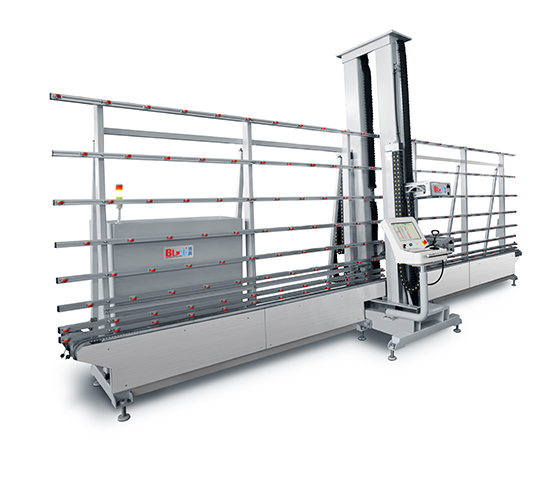
أيهما يناسب مصنعك: مقارنة المواصفات الفنية لـ A71 و A72؟
يعتمد اختيار النموذج المناسب على مزيج المنتجات المحدد وأحجام الإنتاج في مصنعك.
|
المعايير الفنية |
سلسلة BLM-A71 العمودية |
سلسلة جامبو BLM-A72 |
|
التركيز الأساسي للتطبيق |
الدرابزينات، النوافذ التجارية، كبائن الاستحمام، الأبواب الزجاجية بإطارات أو بدون إطارات |
جدران ستائرية معمارية ضخمة، وألواح واجهة هائلة، ودرابزينات زجاجية، وزجاج هيكلي كبير الحجم |
|
أقصى حجم لمعالجة الزجاج |
2500 × 2200 mm |
4000 × 2500 mm |
|
الأبعاد الكلية (الطول × العرض × الارتفاع) |
8300 × 3800 × 1800 mm |
7300 × 3800 × 1800 mm |
|
تكوين مناولة المواد |
أسرة نقل عالمية مزودة بعجلات ونظام تحديد المواقع المتزامن؛ تدعم التوصيل المستقل أو التوصيل المباشر |
أسرة بكرات رأسية متزامنة معززة شديدة التحمل؛ تتصل بسلاسة مع حواف رأسية وغسالات |
يجمع الترقية إلى الإصدار X بين عمليات الحفر والطحن في جهاز واحد آلة حفر الزجاج العمودي تتيح هذه المنصة للمشغلين إمكانية إتمام عمليات الحفر، والتفريز، وتشكيل فتحات المفصلات، والقطع الداخلي في محطة عمل واحدة. وهذا يلغي الحاجة إلى محطة طحن منفصلة ويوفر مساحة إضافية في أرضية المصنع.
كيفية تحديد مصانع آلات حفر الزجاج العمودية الرائدة لتحقيق عائد استثماري؟
إن الاستثمار في آلات حفر الزجاج العمودية يعني التحقق من جودة الهندسة والدعم طويل الأجل من الشركة المصنعة.
- معايير المكونات الصناعية: تقوم مصانع آلات حفر الزجاج العمودية الموثوقة ببناء أنظمتها وفقًا لمعايير عالمية للمكونات. ومن الأمثلة على ذلك قضبان التوجيه الخطية عالية الصلابة ومسامير الكرات الدقيقة. تضمن هذه الجودة العالية للتصنيع سلاسة حركة المحور تحت الأحمال الثقيلة، كما أنها تطيل عمر تشغيل الآلات.
- دعم سريع لما بعد البيع من المصنع: لا يمكن لمصانع الزجاج المعماري ذات الإنتاج الضخم تحمل توقفات طويلة في خطوط الإنتاج. توفر كبرى الشركات المصنعة إطار عمل خدمة استجابة سريعة ومُحسّن على مدار الساعة طوال أيام الأسبوع. تبدأ عمليات التشخيص الأولي عن بُعد فورًا. يصل الفنيون الميدانيون القريبون بسرعة لتقديم الدعم في الموقع. يتم إصلاح الأعطال الميكانيكية الشائعة خلال 24 ساعة لحماية جداول الإنتاج.
- السلامة الدولية والامتثال للوائح التنظيمية: تحمل آلات تصنيع الزجاج العمودية عالية الأداء شهادات CE وISO 9001 الرسمية. يُظهر هذا الامتثال أن المعدات تستوفي معايير السلامة الدولية الصارمة، ومعايير البيئة، ومعايير إدارة المخاطر التشغيلية. الآلات جاهزة للاندماج الفوري في شبكات التوريد العالمية من الدرجة الأولى.
استنتاج
إنّ التحوّل إلى آلات تصنيع الزجاج العمودية A71/A72 ليس مجرد تحديث للمعدات، بل هو استراتيجية فعّالة لتحسين استخدام مساحة المصنع. فمن خلال الانتقال من المعالجة الأفقية إلى العمودية، يُمكن لمصانع الزجاج الكبيرة توفير أكثر من 50% من مساحة أرضيتها، بالإضافة إلى خفض معدلات تكسّر المواد وبناء خطوط إنتاج آلية. بالنسبة للمصانع التي تستهدف إنتاجية عالية لكل متر مربع، تُعدّ المعالجة العمودية الخيار الأمثل. تواصلوا مع فريق هندسة التطبيقات لدينا اليوم للحصول على مخطط مُخصّص لأرضية مصنعكم يُناسب مساحة الإنتاج لديكم.
أسئلة متكررة
هل تستطيع آلات حفر الزجاج العمودية التعامل مع سماكات زجاج متنوعة على نفس الخط؟
نعم. صُممت آلات حفر الزجاج العمودية الصناعية لمعالجة العديد من سماكات الزجاج المعماري المختلفة على خط إنتاج واحد. يستخدم نظام التحكم الآلي CNC مستشعرات عالية الدقة لكشف السماكة، حيث تقيس هذه المستشعرات ألواح الزجاج الواردة في الوقت الفعلي. ثم تعيد الآلة حساب موضع المغزل ومعدلات تغذية الأدوات تلقائيًا، فلا يحتاج المشغلون إلى إجراء أي تعديلات ميكانيكية يدوية.
كيف يمنع الوضع الرأسي الخدوش على طبقات الزجاج الممتازة منخفضة الانبعاثية؟
غالبًا ما تسمح أنظمة النقل الأفقية بتراكم الغبار وجزيئات الزجاج على البكرات أو طاولات الدعم. قد تتسبب هذه الجزيئات في خدش السطح السفلي للزجاج أثناء مروره. أما آلات الزجاج العمودية، فتحافظ على استقرار اللوح بزاوية طفيفة على بكرات متخصصة غير قابلة للخدش وألواح دعم خلفية ناعمة. يسمح الوضع الرأسي للجاذبية بسحب الحطام بعيدًا عن سطح الزجاج، مما يحافظ على نظافة الطبقات الحساسة منخفضة الانبعاثية والعاكسة أثناء المعالجة.
ما هي إجراءات الصيانة المطلوبة للحفاظ على تشغيل آلات الزجاج العمودية بأعلى دقة؟
يبدأ الحفاظ على دقة عالية بالتنظيف اليومي الأساسي لمنطقة المعالجة، مما يزيل جزيئات الزجاج الدقيقة. يلي ذلك التشحيم الأسبوعي لقضبان التوجيه الخطية والبراغي الكروية. تستطيع أنظمة التشحيم المركزية الآلية القيام بهذه المهمة دون عناء إضافي. كما تُسهم فحوصات المعايرة الشهرية لمركزية المغزل ومحاذاة المحاور في ضمان الحفاظ على دقة النظام ضمن هامش خطأ ±0.01 مم لسنوات عديدة من الخدمة الشاقة.
كيف تقوم مصانع آلات حفر الزجاج العمودية بتغليف وشحن هذه الأنظمة الكبيرة بأمان على مستوى العالم؟
تقوم مصانع آلات حفر الزجاج العمودية الاحترافية بتقسيم هذه الآلات الضخمة إلى وحدات فرعية معيارية لتسهيل النقل. تُطلى الأعمدة الهيكلية العمودية الرئيسية، وأقسام النقل، ووحدات التحكم بطبقات مانعة للصدأ. ثم تُغلّف هذه الوحدات بأغشية عازلة للرطوبة شديدة التحمل وتُثبّت على منصات نقل فولاذية مُقوّاة. يتيح هذا التصميم المعياري وضع المجموعة بأكملها بأمان داخل حاويات الشحن البحري القياسية لضمان توصيلها عالميًا بأمان.