
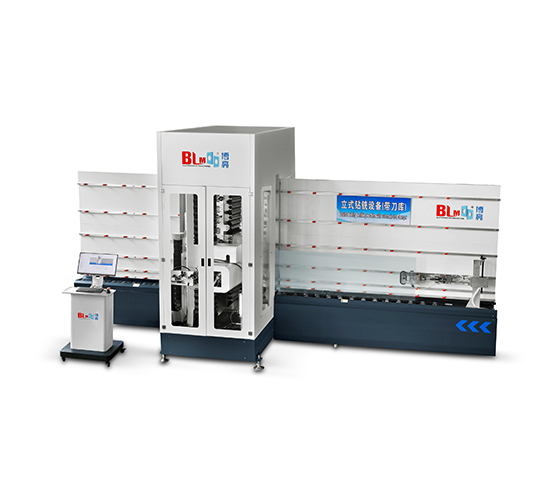
Why Glass Sagging Becomes a Major Problem in Large Glass Processing
Big glass products like curtain walls, shower doors, and furniture panels have created new hurdles for industrial glass machinery. In old-style horizontal setups, oversized glass handling often leads to the material bending under its own weight. This causes poor alignment during moving and raises the chance of cracks or chipped edges. These troubles are very clear during precision glass drilling. Even a tiny sag of just a few millimeters can ruin hole placement and edge quality. Flat glass machinery suppliers find it hard to keep steady pressure on big sheets. This lack of control lowers drilling and milling accuracy while creating more factory waste. As the market wants more green curtain walls and huge shower glass, makers really need high-tech, automated vertical machines to stay competitive.
Sagging hurts glass drilling equipment by causing wrong hole spots and stress points that break edges. It also creates bumpy surfaces when milling or polishing. Large sheets are very weak against gravity, which makes hitting the right drill spot much harder. This often slows down the whole shop. Because of these large glass processing needs, glass machinery suppliers are building vertical designs. These new tools use automation and smart positioning to reach top-tier accuracy every single time.
How Vertical Machines Reduce Glass Sagging During Processing
Vertical machines stop sagging by keeping glass panels upright along the gravity line. This ensures the weight of the glass stays evenly supported. In this position, suction cups and steadying wheels hold the sheet in place. They keep it perfectly straight on both the X and Y axes. Unlike flat setups, vertical builds stop the glass from curving or twisting. This is vital for high-accuracy work on pieces over three meters long. Also, dual-row wheels grip the glass during milling to stop shaking. This prevents the glass from sliding or drooping. This solid grip keeps the quality of work high. It allows vertical industrial glass machinery like the A72 and A71X to stay perfectly lined up during oversized glass handling.
Smart positioning makes the work even better. Suction cups move up or down automatically to fit the glass drawing. This helps avoid any dead zones. At the same time, CNC rails move the tools with incredible precision. Optical sensors and probes help cut out human mistakes. They make sure every drilled hole matches the CAD file exactly. By mixing a vertical stance with auto-positioning, shops get steady precision glass machining and drilling on huge panels. This boosts the final quality and cuts down on thrown-away material.
Why Drilling and Milling Integration Improves Processing Stability
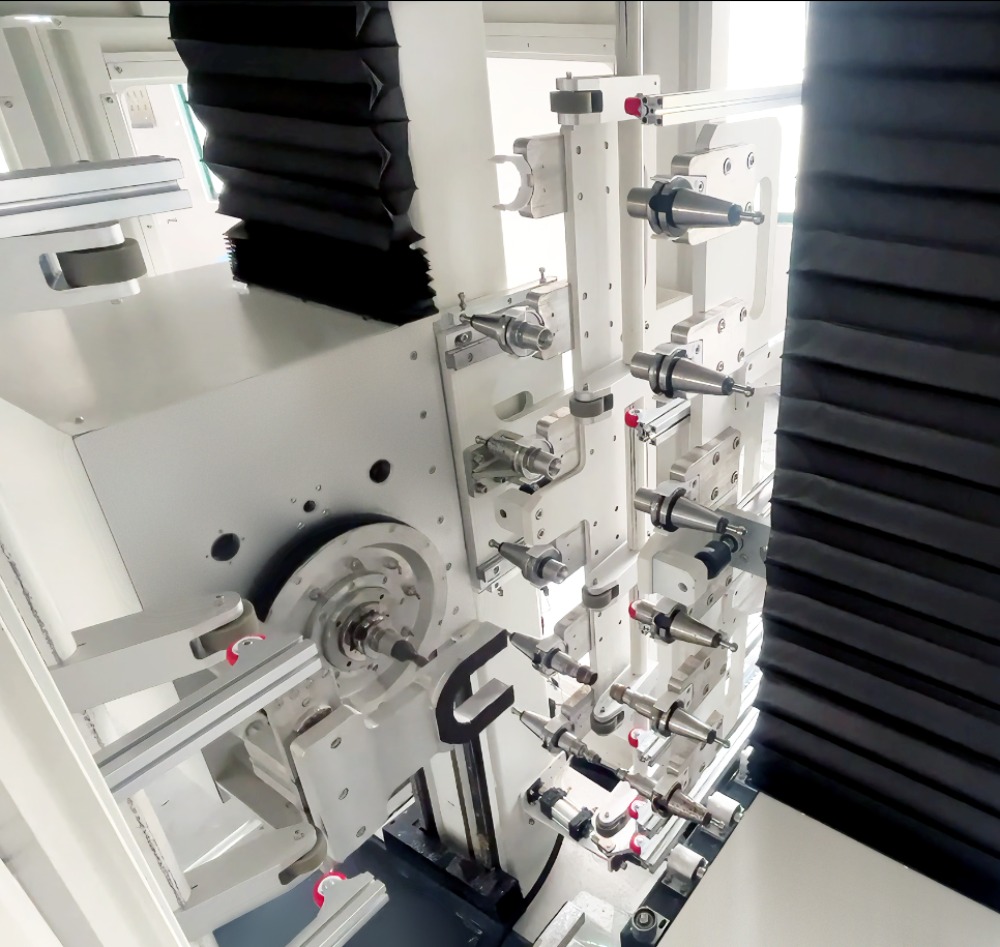
Putting drilling and milling tasks into one vertical machine means less moving of the glass. Every time you touch or move a sheet, you risk bending or sagging. Machines like the A71X do glass drilling, milling, and polishing in one smooth flow. This setup allows for non-stop work. It removes the need for extra transfers between different tools. Moving oversized glass too much can stress the material and hurt hole precision. With BT40 tool changers, the machine swaps bits on its own. This cuts down on manual labor and pauses. It also links with ERP systems and scanners to read barcodes. The machine then knows exactly how to work based on CAD or DXF files. Digital control makes sure every piece is the same and fits smart factory goals.
Vertical units offer great perks for fast-paced, large glass processing. The upright frame, along with suction and pressure wheels, keeps the glass strong and stops sagging. ERP and CAD links make planning easier and lower the risk of mistakes. Plus, auto-tool swapping keeps the line moving for big orders. Because of this, factories making building glass or shower doors see fewer flaws and higher output.
Best Vertical Glass Machinery Solutions for Different Production Needs
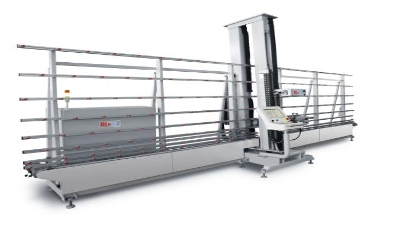
BLM Automatic Machine provides various vertical tools for different shop needs. The A72 vertical glass drilling machine works with sheets up to 4000×2500 mm. It uses 2×2 tool spots to give reliable precision glass drilling for homes and offices. If you need milling and polishing too, the A71X is a great choice. It handles massive sheets up to 6000×3000 mm. It also uses ERP and CAD tools for fully automated work. For shops with many small, different orders, the A98 multi-spindle tool is very flexible. It handles medium batches and changes settings quickly. Here is a quick look at what they can do:
|
Machine |
Function |
Glass Size (Max) |
Tool Holders |
Special Feature |
Application |
|
A72 |
Vertical drilling |
4000×2500 mm |
2×2 |
Standalone or line |
Curtain walls, shower, furniture glass |
|
A71X |
Integrated drilling, milling, polishing |
6000×3000 mm |
8×2 |
ERP & CAD integration, automated tool change |
Large-format architectural glass, smart home panels |
|
A98 |
Integrated multi-spindle drilling, milling, polishing |
6000×2500 mm |
16 tool holders (8+8 spindles) |
Flexible for scattered orders |
Small to medium batch, multi-spec production |
These units show how vertical builds and smart tech stop sagging. They help industrial glass machinery users work faster and better.
Key Features Buyers Should Look for in Glass Machinery Suppliers
When picking glass machinery suppliers, look closely at CNC precision and automation. You need stable tools for oversized glass handling. These tools must work well with smart factory systems. Good CNC setups on a vertical glass drilling machine provide precision glass drilling that you can trust every day. Strong vertical frames and rails keep the glass from bending. Also, built-in suction and wheels keep large sheets still. ERP links and good support help factories keep their tools running perfectly for years. This leads to steady work and fewer broken parts.
Conclusion
Vertical glass drilling equipment like the A72 and A71X solves the sagging and alignment problems found in large glass processing. By using an upright design, suction stability, and smart controls, these machines vastly improve precision glass drilling. Factories that deal with oversized glass will see more finished products and fewer errors. For building or furniture glass, the vertical options from BLM Automatic Machine offer a dependable and high-quality way to work.
FAQ
Why do vertical machines reduce glass sagging better than horizontal machines?
Vertical machines keep the glass upright so gravity does not pull the center down. Suction cups and wheels add extra support during oversized glass handling. This ensures precision glass drilling stays accurate.
What industries commonly use vertical glass drilling and milling machines?
These tools are used for building curtain walls, shower doors, and home furniture. They are also vital for smart home screens and solar panels. These areas need tough industrial glass machinery that stays stable.
Is an integrated drilling and milling machine better for automated production?
Yes, machines like the A71X stop the need for moving glass by hand. They do everything in one step. This keeps the glass safe and helps large glass processing lines run much faster.
How do automatic tool changers improve productivity in glass machinery?
Auto-changers like the BT40 system hold many tools at once. The machine switches them without a human needing to stop the work. This keeps precision glass drilling moving without breaks.
How can I ensure long-term stability for oversized glass processing equipment?
Choose glass machinery suppliers that use heavy-duty frames and top-quality CNC parts. Look for features like dual pressure wheels and smart monitoring. Good maintenance and support will also help the machine stay precise for a long time.