
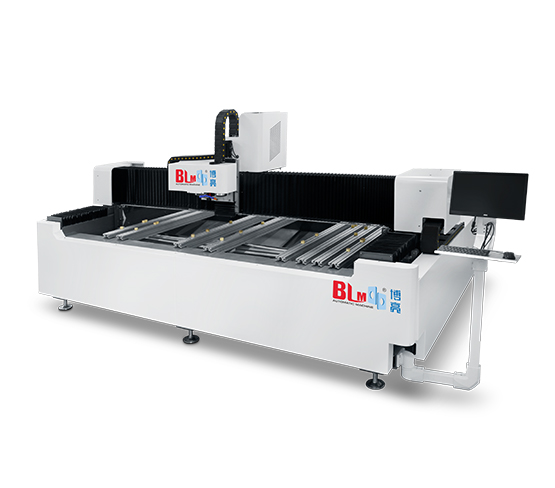
The glass production sector is currently seeing a massive shift in technology. Companies now want to make products that are thinner, more robust, and engineered with better detail. Older mechanical ways of drilling often fail to meet the tough needs of today’s electronics, cars, buildings, and solar panels. Problems like edge chips, tiny cracks, and uneven hole sizes happen often. These issues are even worse when working with coated glass, very thin sheets, or tricky designs. To solve this, industrial glass laser drilling has become a top choice. It provides a way to process glass without touching it, ensuring high accuracy through BLM Automatic Machine automation.
By using industrial glass laser drilling technology, glass machine wholesalers and glass machine manufacturers can make their production more steady. This tech helps cut down on wasted material and meets the rising need for personalized items. High-precision glass drilling is no longer just for special projects. It is now a vital tool for any factory that wants to stay ahead in many different markets.
The Science Behind Glass Laser Drilling
How Lasers Ablate Glass
Laser drilling works by using focused beams of high energy. These pulses turn specific spots on the glass into vapor without using any physical force. Standard drills have to touch the glass, but lasers do not. This means they can make perfect holes while putting almost no stress on the surrounding area. Since it is a non-contact method, it lowers the chance of cracks on the edges. It also makes sure that every hole in a large batch is exactly the same size.
For manufacturers processing coated glass, mirror glass, Low-E glass, and ultra-clear glass, the perks of using lasers go far beyond just making holes. High-precision glass drilling keeps thin glass strong. It also allows for very complex patterns of holes. Furthermore, it works well with coatings like Low-E or mirrors without causing the layers to peel off. Because there is no physical pressure or drill bit wear, industrial glass laser drilling cuts down on repair time. It offers a steady way to build high-value glass parts.
How Laser Energy Modifies Glass Properties
Lasers do more than just cut holes. The laser process helps maintain stable glass quality by minimizing mechanical contact and reducing the risk of processing deviations. This is especially valuable for thin and precision glass machining applications. Such a feature is very helpful for thin or fragile glass used in gadgets or modern architecture. By managing how long and strong each laser pulse is, factories can get the best results from the material. This lowers the risk of small cracks and makes the final product more stable. These benefits make laser tools great for both basic and custom work. This helps glass machine manufacturers give their clients exactly what they need.
Why Wavelength Matters in Laser Glass Processing
Not all glass reacts to lasers the same way. Different types and coatings soak up energy differently. Choosing the right wavelength and pulse type changes how good the hole looks and how fast the machine works. The GLM-2512 uses an Infrared MOPA laser system, while processing parameters can be adjusted according to glass type, thickness, and application requirements. On the other hand, different laser configurations and processing parameters can be selected according to the required hole size, glass type, and production objectives. By picking the right settings, glass machine wholesalers can provide industrial glass laser drilling for many items. This includes ultra-clear panels, mirrors, and even decorative glass pieces.
Applications of High-Precision Laser Drilling
Electronics and Consumer Devices
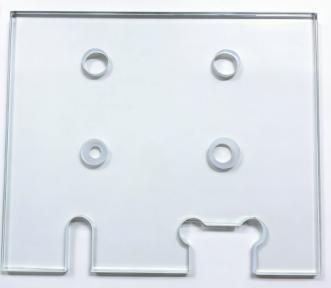
In the world of gadgets, glass panels need holes that are perfectly placed for sensors and buttons. Industrial glass laser drilling enables highly accurate hole positioning for electronic glass components while maintaining consistent production quality. It keeps breakage very low. Factories can stick to very tight rules and keep quality high even when making millions of units. They can also work on delicate coatings without ruining them. This helps glass machine manufacturers run their shops better and lose less money on wasted parts. It makes high-volume work much more profitable.
Automotive and Architectural Glass
The car and building industries need large sheets of glass with high-quality holes. This is true for windshields, shower doors, and smart walls. Laser drilling keeps hole sizes and spacing perfect while stopping the glass from breaking. This is a big deal for glass that is laminated or has special coatings. By putting industrial glass laser drilling into their lines, companies can process big batches quickly. Plus, laser systems can follow any custom pattern. This allows for new types of building designs and car parts that old drills simply cannot handle.
Custom Glass Drilling Solutions
Being able to offer something unique is now a major goal in the glass world. Clients want special hole patterns and odd shapes that standard tools cannot do well. Industrial glass laser drilling is incredibly flexible. With smart software, makers can set up complex designs in no time. They can change settings for different thicknesses or coatings easily. By offering custom glass drilling solutions, glass machine wholesalers can help clients with very specific needs. They can do this while still working fast and keeping quality high.
Integration with Industrial Production Lines
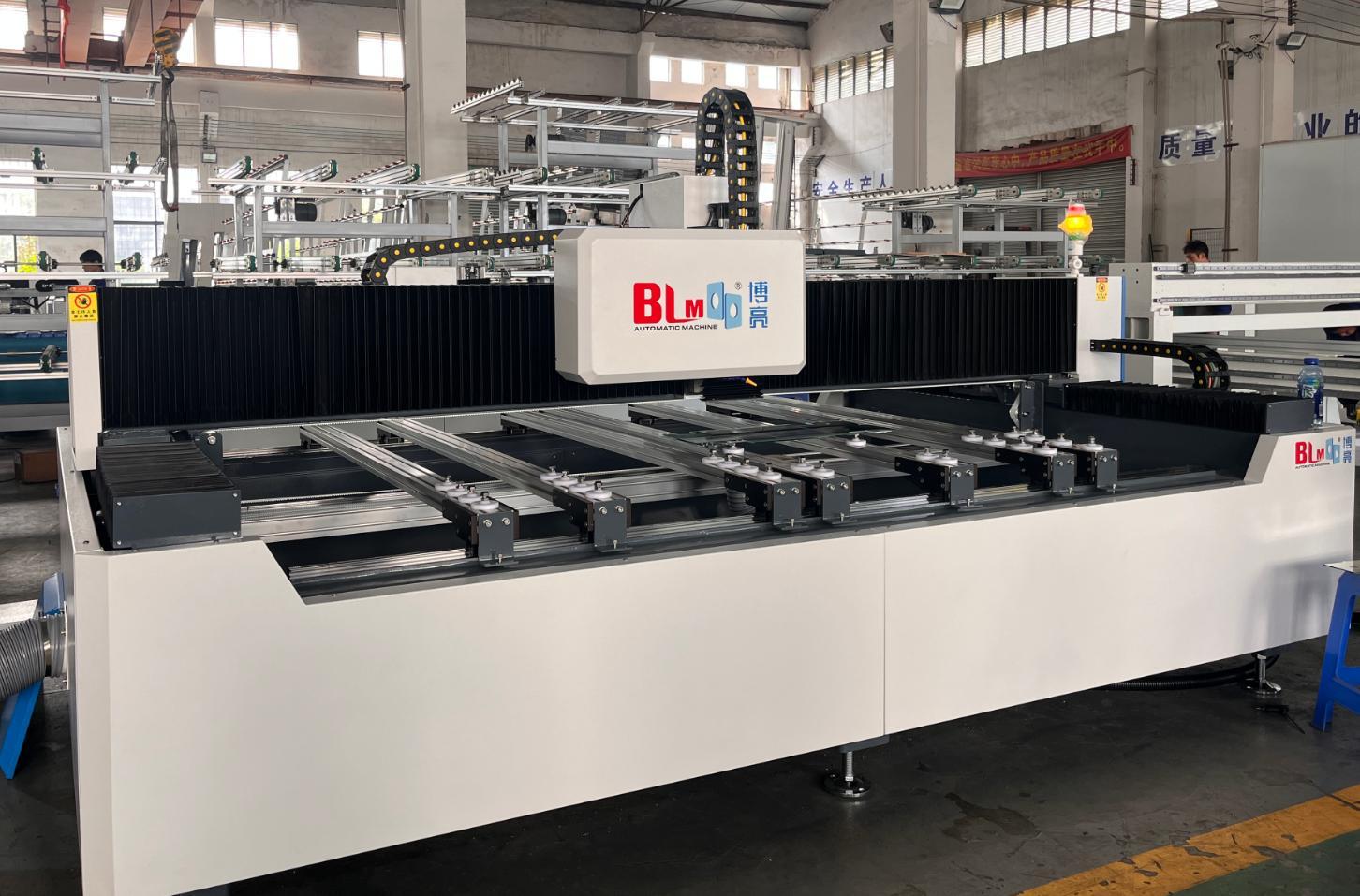
Today’s factories need more than just accuracy; they need a smooth workflow. High-end systems like the GLM-2512 combine many jobs into one machine. It handles drilling, sandblasting, and removing film all at once. This saves space on the floor and means workers have to move the glass less often. The GLM-2512 works with glass up to 2500 x 1200 mm. It handles thickness from 0.5 mm up to 20 mm. It also works perfectly with Low-E, clear, and mirror glass.
The equipment can be connected with ERP systems and supports barcode-based production management, helping improve workflow coordination and data management. Features like barcode scanning help the machine know exactly where to put holes without a person having to tell it every time. For glass machine manufacturers, this means less downtime and better results for every piece of glass made.
Maintenance and Operational Practices
To keep glass laser machines running well, you must look after the equipment and the work area. Checking the lenses and laser parts often keeps the precision high. Using chillers to control the temperature helps the laser stay steady. Safety is also key. Workers need the right glasses and training to stay safe and keep the machine in good shape. Built-in dust cleaners and closed frames keep the sensitive parts clean. This ensures the machine lasts a long time and does not need to be fixed as often.
Technical Parameter Table of GLM-2512
|
Parameter |
Specification |
|
Laser Type |
Infrared MOPA |
|
Glass Size |
Max 2500 × 1200 mm |
|
Glass Thickness |
0.5–20 mm |
|
Hole Accuracy |
≤0.02 mm |
|
Max Sanding Width |
100 mm |
|
Max Film Removal Width |
100 mm |
|
Laser Power |
140–300 W (adjustable) |
|
Laser Lifetime |
80,000–100,000 hours |
|
Lens Type |
D93 mm, Medium focal length, biconvex |
|
Supported Formats |
DXF, PLT, AutoCAD |
|
Power Supply |
380V AC, 50/60 Hz, 8 kW total |
Conclusion
Laser technology has changed glass making forever. It brings together high accuracy, a touch-free process, and smart automation. For glass machine wholesalers and glass machine manufacturers, these all-in-one systems make it easy to create complex products. They help reduce breakage and keep hole quality perfect while speeding up the shop. By using High-precision glass drilling along with sandblasting and ERP tools, companies can meet the needs of the tech, car, and solar sectors. The systems from BLM Automatic Machine show this progress clearly. They help glass shops work faster, waste less, and provide the best custom products for any job.
FAQ
What types of glass can industrial glass laser drilling handle?
Industrial glass laser drilling works with coated glass, Low-E glass, and very clear glass. It also handles mirror and decorative glass. Machines like the GLM-2512 can work on glass from 0.5 mm to 20 mm thick with great precision.
How does High-precision glass drilling improve production efficiency?
It removes the need for physical contact, which stops the glass from breaking. High-precision glass drilling ensures every hole is right the first time. This means less rework and lower costs for tools, helping the factory run without stops.
Can custom glass drilling solutions accommodate complex designs?
Yes, they can. Laser systems use software to follow any hole layout or strange shape. This makes custom glass drilling solutions perfect for high-tech gadgets or artistic building designs.
Why are glass machine wholesalers investing in integrated laser equipment?
These systems do many jobs at once, like drilling and cleaning off film. This cuts down on labor costs and helps the factory move faster. It allows them to handle many types of glass while keeping the quality very high.
What after-sales support can buyers expect from glass machine manufacturers?
Good suppliers help with setup and teach your team how to use the machine. They offer remote help, spare parts, and a solid warranty. Systems from BLM Automatic Machine also connect to ERP systems to help you manage your business better.