
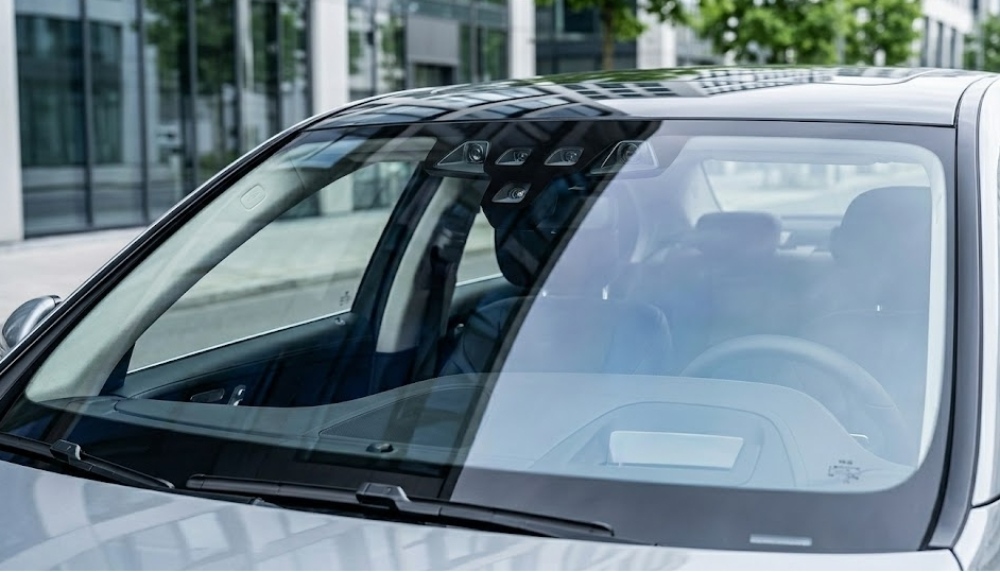
In today’s automotive sector, the windshield serves as much more than just a basic structural part. It has grown into an advanced platform for various high-tech features, such as rain sensors, Advanced Driver Assistance Systems (ADAS) cameras, and Head-Up Display (HUD) optics. These elements call for utmost accuracy in production. Older mechanical approaches frequently lead to edge chips and tiny cracks, which might weaken the glass’s overall strength. Operating a standard glass laser machine demands a solid grasp of heat-related behaviors, since poor energy management can trigger sudden thermal strain. This often results in costly laminated glass breaking apart or failing quality checks. To reach a “zero-crack” result, one must carefully balance laser output with the principles of material properties.
What Causes the Cracking Phenomenon in Automotive Glass?
The main issue in laser work on glass stems from the Heat Affected Zone (HAZ). As laser energy focuses on the glass surface, the quick temperature increase produces an instant expansion pressure. Since glass conducts heat poorly, the sharp difference in temperature between the heated spot and the nearby cooler regions builds up targeted stress.
This response differs a lot based on the type of glass. For example, ultra-white glass and Low-E coated glass behave in distinct ways under glass engraving machines because of their different rates of energy absorption. Any built-up stress inside the glass, which usually spans from 0.5mm to 20mm thick, can release forcefully if the laser’s heat input lacks proper high-frequency adjustments. Without such careful handling, these small cracks may spread throughout the whole windshield, causing total breakdown.
Why MOPA Technology is the Optimal Solution
The Master Oscillator Power Amplifier (MOPA) laser setup stands as the preferred choice in the field for cutting down thermal effects. In contrast to typical lasers, a MOPA-equipped glass laser machine provides remarkable control over pulse duration. It uses a 1064nm wavelength along with variable power from 140W to 300W. The system applies very brief pulses that limit the chance for heat to spread into the base material.
Moreover, the best glass engraving machines depend on superior placement precision, typically ≤0.02mm, to make sure energy stays evenly spread and does not build up too much in one area. Beam quality, measured by M², also matters greatly. By keeping a narrow spot size of 3±0.5 mm, the setup reduces the area exposed to heat. As a result, it cuts down stress buildup at the processed edges quite effectively.
Parameter Optimization for Damage-Free Film Removal and Drilling
To create a “cold processing” outcome, the movement system needs to sync well with the laser unit. Fast scanning plays a key role in removing heat rapidly before it sinks deep into the glass. With a top film removal speed of 20,000mm/s, the glass laser machine moves across the surface swiftly. Consequently, the heat stays confined to the outer coating layer.
For drilling holes—reaching up to 100mm across—for sensors or attachment points, one must fine-tune the pulse overlap and frequency. This keeps the hole edges even and without heat-related breaks. Route planning holds equal importance. Through custom software that handles DXF and PLT files, the system refines the laser head’s turning routes. Thus, it avoids the laser pausing at turns, a frequent source of spot overheating in basic glass engraving machines.
Hardware Integration and Environmental Stability
Keeping the work environment steady proves as crucial as setting the laser parameters. A robust cooling unit is essential to control power variations in the laser, guaranteeing reliable performance across a service life of 80,000 to 100,000 hours. The surrounding conditions should align with cleanroom guidelines, holding temperatures from 15-30°C and humidity levels between 20-80%.
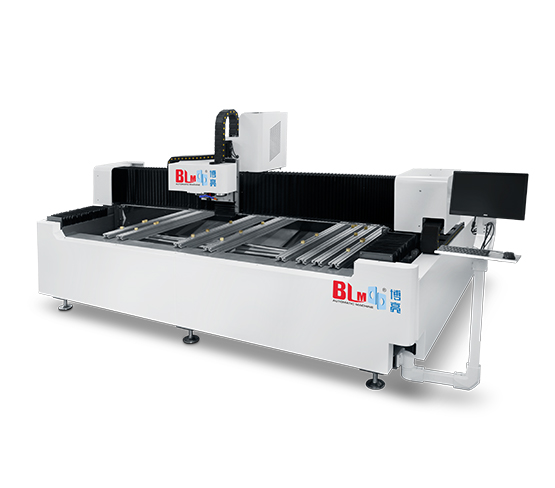
On top of that, a built-in system for gathering and clearing glass waste is vital. Tiny glass bits from glass laser drilling or sandblasting might soak up extra laser energy if they remain on the surface. This could create unwanted hot spots. The key specs for a top-quality all-in-one machine appear in the table below:
|
Technical Parameter |
Specification Detail |
|
Laser Device Type |
Infrared MOPA Laser |
|
Laser Power |
140W – 300W (Adjustable) |
|
Max Processing Size |
2500mm * 1200mm |
|
Positioning Accuracy |
≤0.02mm |
|
Glass Thickness Range |
0.5mm – 20mm |
|
Max Film Removal Speed |
20,000mm/s |
|
Max Drilling Diameter |
100mm |
|
Laser Lifetime |
80,000 to 100,000 Hours |
|
Supported Formats |
DXF, PLT |
Selecting Professional Equipment for Automotive Projects
With automotive designs growing ever more intricate, there’s a strong shift toward combining multiple functions. A laser drilling glass machine that merges drilling, sandblasting, and film removal in one station brings clear benefits. It lowers the chance of damage during transfers and aligns all steps under the same precise positioning framework.
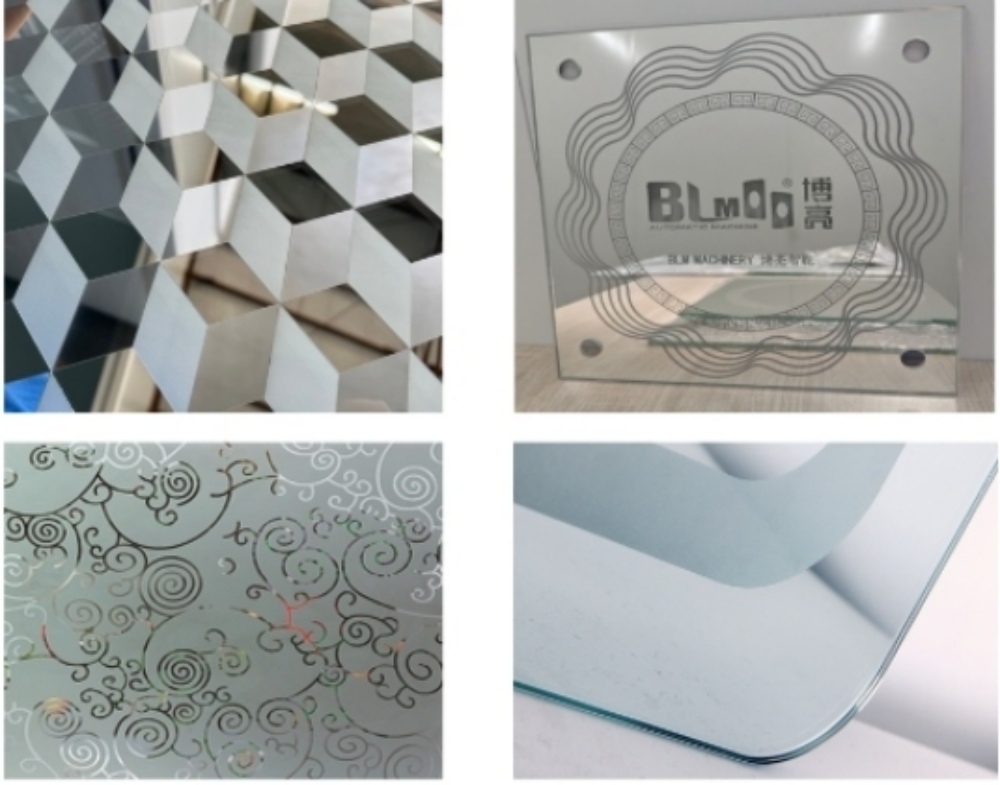
For plants stepping into the automotive safety glass area, a placement accuracy of ≤0.02mm remains a must-have standard. BLM Automatic Machine delivers this kind of reliable performance, serving as a guide for glass handling processes. By aligning laser frequency and travel speed with the glass’s unique makeup, tough automotive tasks can shift smoothly into steady, efficient large-scale output.
Conclusion
Dealing with thermal strain in automotive glass involves many layers, blending laser science, quick motion oversight, and surroundings control. Through MOPA methods and exact route design, producers can wipe out crack risks while upholding the steady production pace the sector needs. Choosing the best laser engraver for glass makes certain that each windshield fulfills the strict safety and clarity rules of current automotive demands.
FAQ
Q: How does a glass laser machine handle Low-E coatings on automotive glass?
A:A capable glass laser machine manages Low-E coatings through rapid scanning speeds, reaching up to 20,000mm/s. This approach precisely removes the coating while sparing the glass base underneath. Operators achieve this by adjusting the pulse rate so that energy targets only the metal layer. In turn, it stops heat from gathering in the glass itself, keeping everything intact and reliable.
Q: Can the best laser engraver for glass prevent micro-cracks during the drilling process?
A:Yes, the best laser engraver for glass stops micro-cracks by relying on MOPA laser features. These allow changes in pulse length for better control. Shorter pulses shrink the Heat Affected Zone (HAZ) effectively. As a result, the drilled hole’s borders stay firm and even, working well on thin glass down to 0.5mm without any structural issues.
Q: What maintenance is required for glass engraving machines in a factory setting?
A:Routine care for glass engraving machines focuses on a consistent workspace and clear optics. A key step involves using a debris pickup system to keep glass particles from settling on the lenses. Furthermore, regular checks on the cooling unit help maintain steady laser output. This supports the full 100,000-hour durability, ensuring smooth operations day after day in busy production lines.
Q: Is the BLM Automatic Machine suitable for large-scale windshield production?
A:Absolutely, the BLM Automatic Machine fits perfectly for big-volume windshield manufacturing. It includes a spacious work area of 2500mm x 1200mm to handle large pieces. The all-in-one setup processes multiple tasks in one go, which shortens overall times and boosts output quality for demanding automotive glass work.
Q: What file formats are compatible with a professional glass laser machine?
A:A skilled glass laser machine comes with tailored software that works seamlessly with common industry files like DXF and PLT. This setup lets designers load detailed CAD drawings straight into the system. For instance, patterns for sensor mounts or antennas on windshields can transfer directly, enabling accurate and efficient processing every time.