
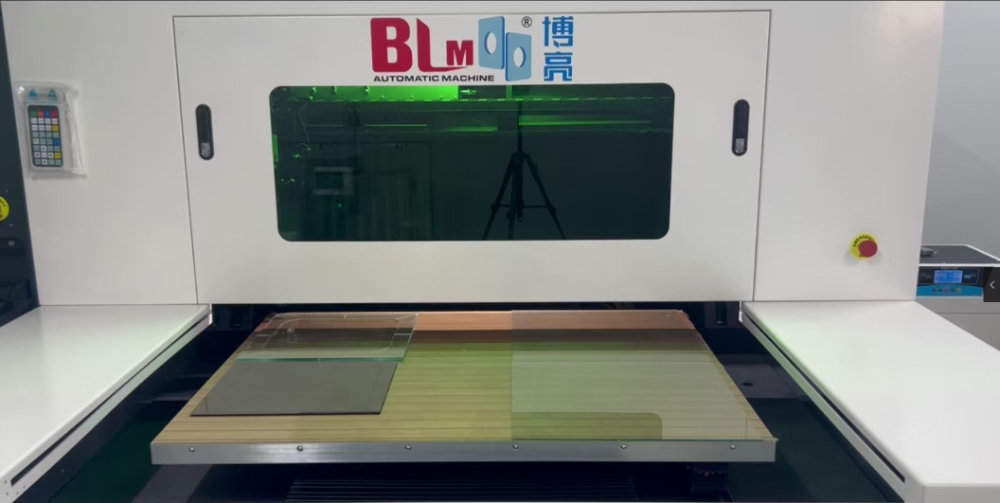
The glass processing field is seeing a major shift. This happens as building and device designs test the limits of old shapes. Handling tricky forms—from the narrow curves needed for car HUD screens to the tiny holes in very thin tech glass—calls for moving from hands-on pressure to exact digital work. A strong laser for cutting glass stands out as the top choice for makers who want exact “what you see is what you get” output. It brings no mechanical strain and good success rates.
Precision Challenges in Irregular Glass Processing
Old mechanical cutting ways face big hurdles with detailed outlines. The main issue is stress buildup. When a diamond wheel tries to handle very small bends or pointed edges, the force gets uneven. This leads to small cracks, edge breaks, or full failures. For exact parts like AG (Anti-Glare) glass or custom mirrors, such flaws won’t do.
Adding a laser for cutting glass lets makers skip the downsides of direct touch. As a touch-free method run by quick digital setups, it creates detailed forms that were hard to achieve before. This change cuts waste and helps creators bring creative and useful ideas to life. It avoids the limits of factory tools.
Why Traditional Methods Fail at Complex Contours
Standard cutting struggles with today’s detailed needs due to a few key reasons.
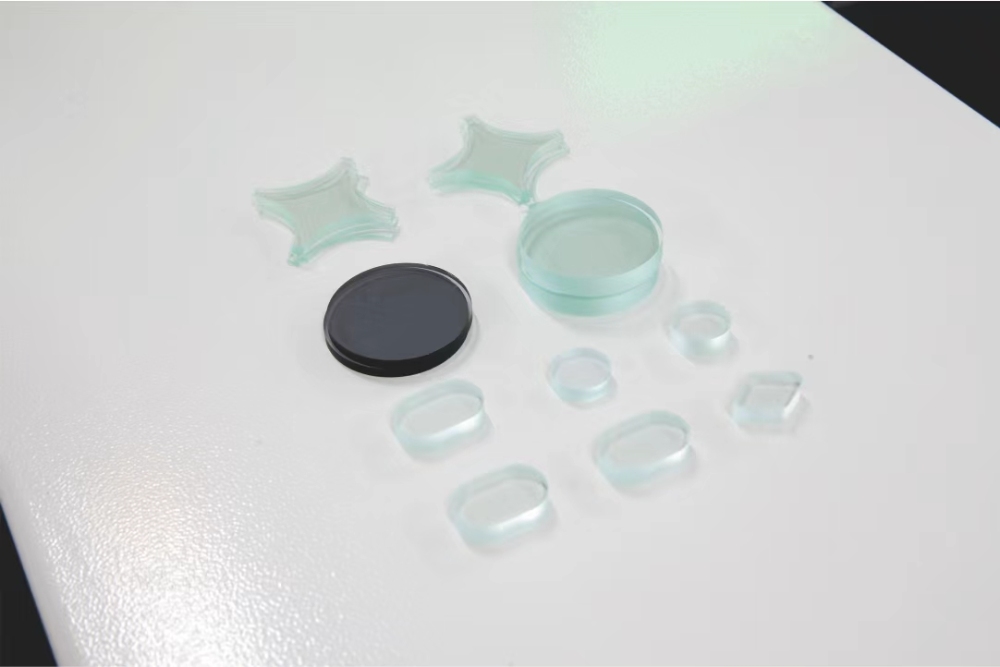
- Physical Contact Limits: Diamond wheel tools need a basic bend radius for steady work. If the route gets too detailed, the side force spreads poorly. This causes a big drop in success.
- Heat Affected Zone (HAZ) Problems: Options like flame cutting or simple CO2 lasers create too much heat stress. A broad HAZ makes glass edges weak. It then needs costly and slow extra grinding.
- High Follow-Up Expenses: Cutting odd pieces by machine almost always demands edge smoothing. A pro glass laser machine gives a ready or almost ready edge. This sharply lowers work and supply needs.
Achieving Flawless Curves via Advanced Laser Modulation
The key to handling fine lines is smart control of power use. New factory tools use MOPA (Master Oscillator Power Amplifier) tech to link speed and edge finish well.
- MOPA Laser Technology: Using a 1064nm wavelength MOPA fiber laser (set between 140W and 300W), users can adjust pulse length exactly. This careful handling keeps the heat focused right. It results in an even, level edge on tricky routes.
- Digital Workflow Integration: Top systems work fully with DXF, PLT, and CAD files. This lets complex line drawings turn straight into laser paths. The match between design and real item hits a spot accuracy of ≤ 0.02mm.
- Ultra-High-Speed Scanning: Galvanometer speeds hit 20,000mm/s. The glass laser machine keeps the path even in fast moves. It avoids the issues from slower tool arms.
Technical Specifications for Industrial Glass Laser Systems
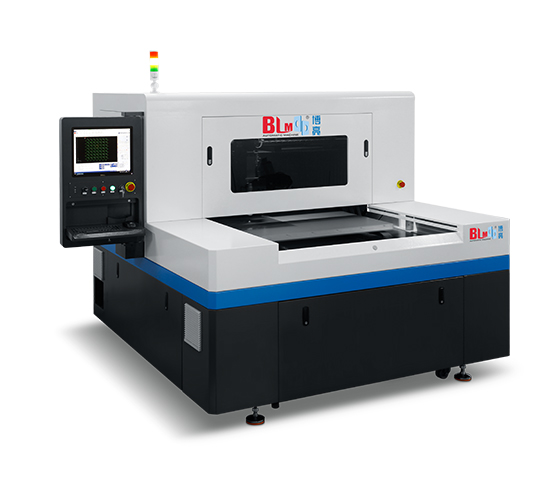
When looking for a laser glass cutter for sale, check specs against your needs. The table below shows features of full factory laser gear for exact jobs.
|
Feature |
Technical Specification Details |
|
Laser Source Type |
Infrared MOPA Fiber Laser |
|
Laser Power Range |
140W – 300W (Adjustable) |
|
Maximum Processing Size |
2500mm * 1200mm |
|
Glass Thickness Range |
0.5mm – 20.0mm |
|
Maximum Film Removal Speed |
20,000mm/s |
|
Repetitive Positioning Accuracy |
≤ 0.02mm |
|
Supported Glass Types |
Low-E, Coated, Ultra-White, Mirrors, Glazed |
|
Operational Environment |
Cleanroom (Recommended) |
Picking a laser glass cutter for sale means reviewing hardware and software path tweaks. Custom software from BLM Automatic Machine plans routes to cut heat buildup at tight spots. This helps keep glass strength.
Strategic Value of Process Integration
Combining tasks in one laser setup boosts plant work and keeps steady output for detailed forms.
- Automation and Consistency: Skipping handwork in cut and drill steps means the first piece matches the last one. This matters a lot for sellers to car and tech buyers.
- Environmental Maintenance: Built-in trash pickup and clean systems let these tools run in Cleanroom spots. It lowers dirt risk on key glass faces.
Ensuring Long-Term Reliability of Laser Production Lines
Switching to laser tech is a solid long-run spend on steadiness. Factory MOPA lasers last 80,000 to 100,000 hours. This cuts upkeep needs compared to mechanical setups that need frequent part swaps.
For top work, strong backup is key. Plans like “2-7-24” quickly fix handling issues fast. They log and check problems from afar the same day. Site techs fix in 24 hours. Plus, 3-5 days of targeted training help workers learn settings. They can then manage odd glass jobs alone.
Conclusion
Laser cutting tech reshapes glass deep work limits. It swaps tool push for digital exactness. Now, makers can produce many detailed lines and small parts that used to need hand skills. As the need for smart glass forms grows in building and tech areas, using strong laser setups is the best way for quick, high-output work.
For groups aiming to improve odd glass part making, talking to BLM Automatic Machine experts gives exact settings and gear setups. This turns detailed plans into factory facts.
FAQ
Q: Can a glass laser machine cut through thick architectural glass?
A: Sure, current setups with changeable power up to 300W handle glass from 0.5mm to 20mm thick. The main trick is pulse length tweaks. They let the laser go deeper while keeping good edges.
Q: How does laser cutting compare to waterjet cutting for complex shapes?
A: Waterjet works well in many ways, but a laser for cutting glass gives better exactness at ≤ 0.02mm. It’s also cleaner overall. Unlike a waterjet, it skips grit supplies or water cleanup. This fits high-end tech, and Cleanroom uses better.
Q: What is the benefit of a MOPA laser over a standard fiber laser for glass?
A: MOPA stands for Master Oscillator Power Amplifier. It lets you change pulse lengths. For glass jobs, this gives tight control over heat effects. That’s what stops breaks on narrow bends or detailed lines.
Q: What kind of files are needed to operate a laser glass cutter?
A: Top systems take common work files like DXF and PLT. Users can load designs right from CAD or CorelDRAW tools. This makes the flow smooth from plan to final glass item.
Q: How does laser processing solve stress issues in irregular-shaped glass?
A: Traditional mechanical wheels cause stress and cracking by applying uneven pressure to sharp curves. Laser technology uses a “non-contact” process, focusing energy on a microscopic spot to eliminate mechanical compression. This prevents edge damage and significantly increases the yield rate for complex, irregular contours.