
परिचय
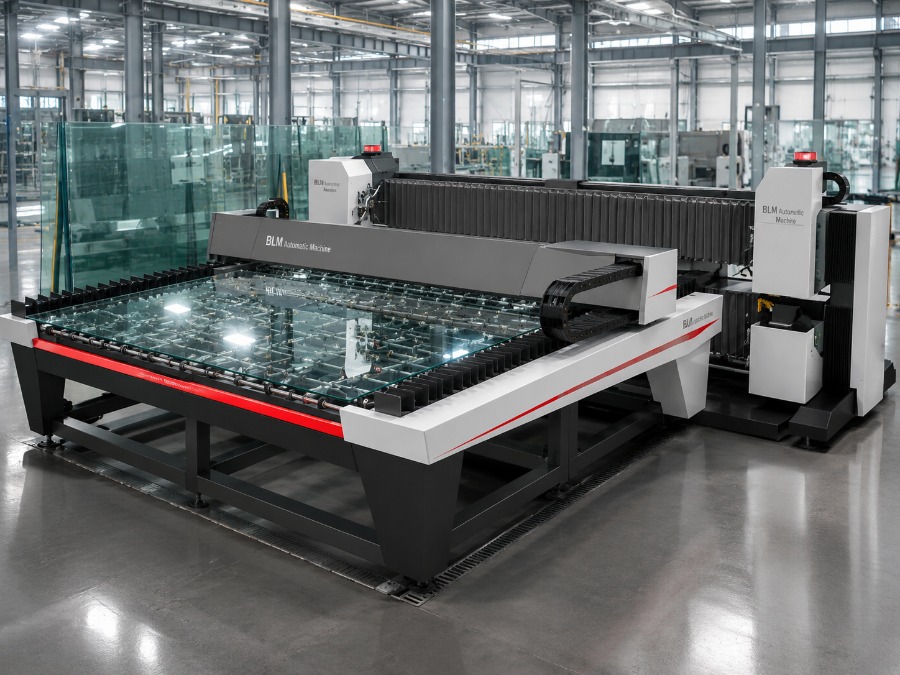
Mixed-batch orders often reveal inefficiencies caused by frequent tool changes, manual data transfers, and unnecessary machine handling. One response is to combine glass milling with सटीक ग्लास ड्रिलिंग on equipment that can change tools, read job data, and support more than one process. For factories handling varied glass, the buying question is whether the workflow can change jobs without losing control of drawings, dimensions, or downstream movement.
Why Mixed-Batch Work Reveals Process Waste
Mixed-batch production creates complexity before the spindle starts. Different panels may require different hole diameters, milled openings, edge features, or routing instructions, so the operator must keep each drawing matched to the correct glass. A glass machining cell that depends on repeated manual setup can turn a short processing cycle into a long changeover. The useful metric is therefore total job flow, including preparation, verification, transfer, and recovery from input errors.
Tool Changes Become Schedule Changes
Tool availability determines whether varied orders stay on one schedule. The A98 can be equipped with 16 types of drill bits, while its rotating tool magazine positions the selected tool for different hole diameters. This configuration supports batch and scattered production without requiring a separate machine for every diameter. For buyers comparing glass milling options, the relevant check is whether the planned tool set covers the real weekly order mix, not an idealized sample job.
Data Handoffs Deserve the Same Scrutiny
Job data should move with the glass, not through repeated retyping. The A98 industrial computer supports on-machine drawing, CAD and DXF import, barcode reading, and ERP connection for drawing transfer. These functions give glass CNC machining a controlled route from office files to the machine interface. A buyer should still validate naming rules, revision control, barcode content, and network responsibility during acceptance testing because software connectivity only works when the plant process is defined.
- Provide representative CAD or DXF files, including unusual contours.
- List the hole diameters and milling features used in a normal week.
- Map who releases, scans, verifies, and closes each job record.
- Include glass sizes, thicknesses, and downstream machine interfaces.
What an Integrated A98 Workflow Changes
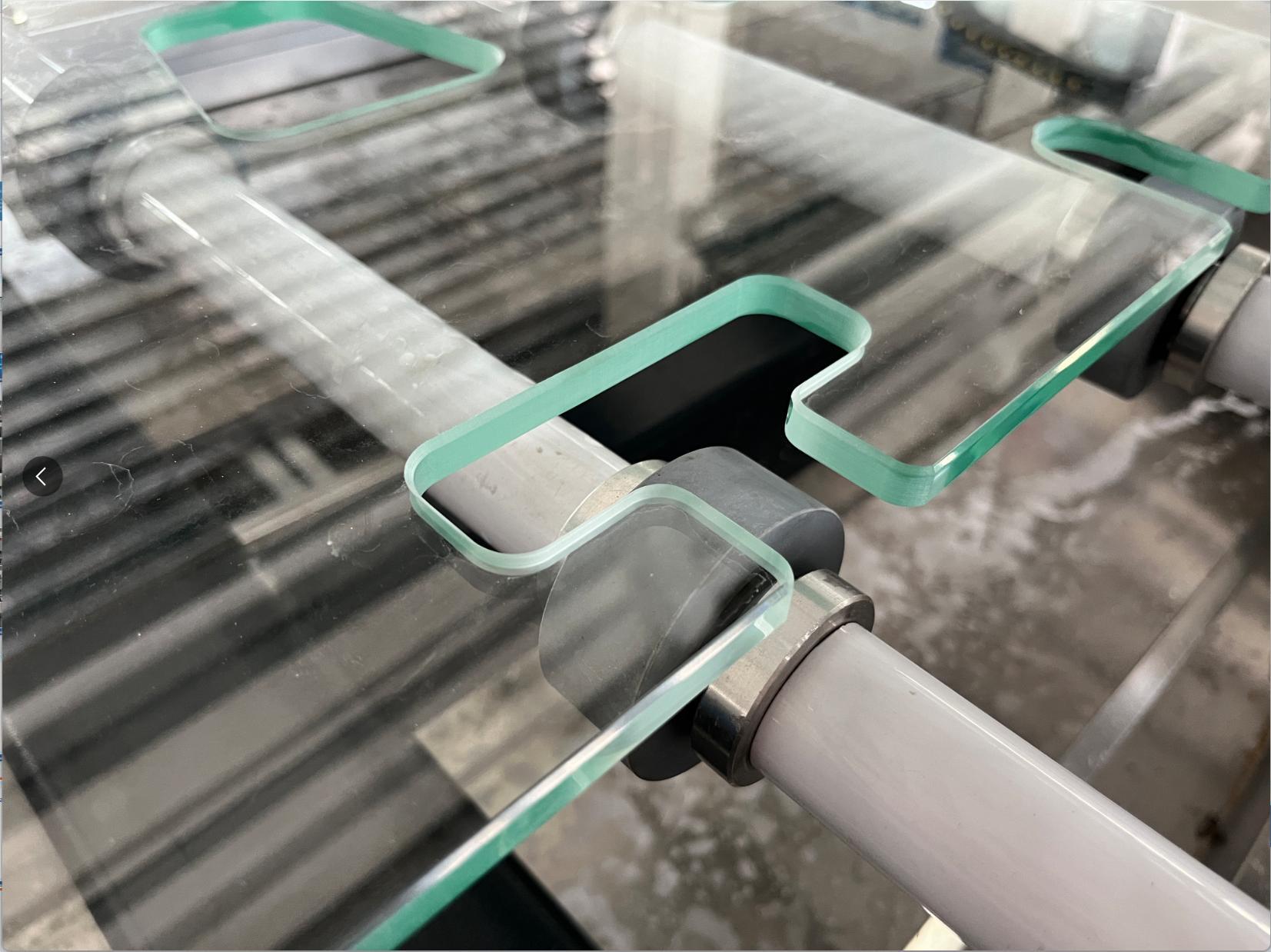
An integrated ग्लास ड्रिलिंग और मिलिंग मशीन keeps related features within one controlled equipment platform. The A98 combines drilling, milling, and polishing functions, and the Y1 machine head can be equipped with a milling cutter function. That scope does not eliminate process planning, but it can reduce avoidable transfers between separate drilling and milling stations. In mixed-batch work, fewer transfers also make it easier to preserve the link between the panel, drawing, selected tool, and inspection result.
One Tool System Handles Varied Features
One tool system is most valuable when the product mix changes frequently. A98 tool selection can cover multiple hole diameters, and the optional cutter extends the same platform into glass milling. The machine is designed for multi-functional deep processing of architectural and decorative glass, including large-format work. Procurement teams should compare the required tools, spindle arrangement, feature sequence, and inspection method against actual drawings before accepting a proposed configuration.
Standalone Now, Connected Later
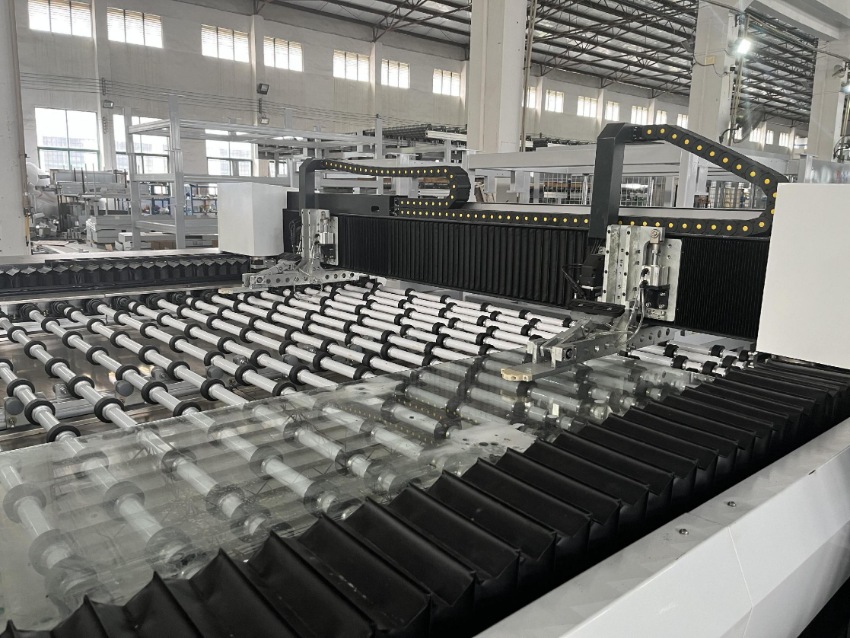
A phased layout can protect capital flexibility. The A98 can operate as a standalone machine or connect with edging and washing equipment in an automated line, while ERP and barcode functions support job routing. This makes the platform relevant to both a job shop and a planned line expansion. The buyer must confirm conveyor height, transfer direction, data ownership, buffer logic, and responsibility for line integration before the equipment layout is frozen.
Specifications to Match Before Ordering
Specifications should be checked against the smallest and largest real jobs. The A98 product data lists a glass thickness range of 4-19 mm, drilling diameters of 6-50 mm, a maximum glass size of 6000 x 2500 mm, and a minimum size of 1200 x 300 mm. Buyers evaluating glass CNC machining should treat these values as configuration boundaries to verify with drawings, tooling, glass type, and the intended process sequence.
|
Decision item |
A98 published value |
Buyer verification |
|
ग्लास मोटाई |
4-19 mm |
Check all recurring and exception orders. |
|
ड्रिलिंग व्यास |
6-50 mm |
Match each diameter to the proposed tool set. |
|
ग्लास का आकार |
1200 x 300 to 6000 x 2500 mm |
Confirm orientation, support, and transfer. |
|
Screw feed |
0-3 mm/s |
Approve settings through material trials. |
|
Machine envelope |
13700 x 5600 x 1800 mm |
Add service, loading, and safety clearances. |
|
Working height |
900 +/- 20 mm |
Check adjacent conveyor interfaces. |
Published limits are a starting point rather than a production guarantee. Precision glass drilling also depends on the approved tool, glass condition, coolant plan, program, support, and inspection method. A production trial should therefore use several representative jobs, including a difficult contour and a changeover between different hole patterns, instead of relying on one demonstration panel.
Quality Controls That Protect Repeatability
Structural preparation supports repeatable movement over long service periods. The A98 main beam uses a thick steel plate, and its frame process includes welding, annealing, gantry milling, sandblasting, rust removal, and painting. The glass drilling and milling machine also uses metered automatic lubrication, while its control interface displays input, output, and alarm signals for diagnosis. These controls matter to glass CNC machining and precision glass drilling. Buyers should convert them into lubrication records, alarm response rules, and scheduled geometry checks for glass machining and glass milling work.
Request a Production-Fit Review
A useful quotation starts with production evidence. Send BLM Automatic Machine a representative drawing set, glass size and thickness range, hole and contour list, weekly batch profile, target interfaces, and available floor plan. We can then review whether the A98 glass drilling, milling, and polishing machine configuration, tool package, data connection, and line arrangement match the intended mixed-batch workflow. Include acceptance samples and the inspection method so the proposal can be assessed against actual work rather than a generic capacity claim.
सामान्य प्रश्न
Is Glass Milling the Same as Glass Drilling?
Glass milling and drilling solve different geometry tasks. Drilling creates defined holes, while milling forms slots, contours, or enlarged openings. A combined platform helps when one panel needs both operations, but tooling and process order still require verification.
What Glass Sizes Can the A98 Process?
A98 published data lists a maximum glass size of 6000 x 2500 mm, a minimum of 1200 x 300 mm, and a 4-19 mm thickness range. Confirm final suitability with the drawing, glass type, tooling, support orientation, and line-transfer arrangement.
Can the A98 Handle Single and Batch Orders?
The A98 supports batch and scattered multi-specification production. Its tool magazine, industrial computer, drawing functions, and barcode connection support frequent order changes. Practical capacity still depends on the tool set, job-data discipline, inspection time, and transitions in your order history.
Can Existing CAD and DXF Files Be Used?
Existing CAD and DXF drawings can be copied to the A98 industrial computer, while office software can transfer files through USB or an intranet. Define file naming, version approval, barcode mapping, permissions, and a recovery method for incomplete job data before production.
What Should a Buyer Send for a Technical Review?
A buyer should send drawings, material details, size and thickness ranges, hole diameters, milled features, batch quantities, tolerances, inspection methods, floor limits, and equipment interfaces. These inputs allow precision glass drilling, glass machining, and integration requirements to be checked before configuration.