
CNC glass drilling equipment rarely fails because of one dramatic event. More often, chips stay on a guide, lubricant runs low, a filter loads up, or an operator skips a check. Those omissions add friction and vibration until hole quality, uptime, and repair cost move in the wrong direction. A simple maintenance rhythm keeps the machine predictable.
What Shortens a CNC Drilling Machine’s Life?
Service life in a ग्लास ड्रिलिंग मशीन is shaped by contamination, heat, load, and delayed detection. Glass dust can settle on moving surfaces and enter covers or sensors. Water and slurry can hide a leak or accelerate corrosion. Repeated shock from a worn tool can transfer into the spindle and frame. Early detection keeps intervention small.
Contamination and Heat Build Gradually
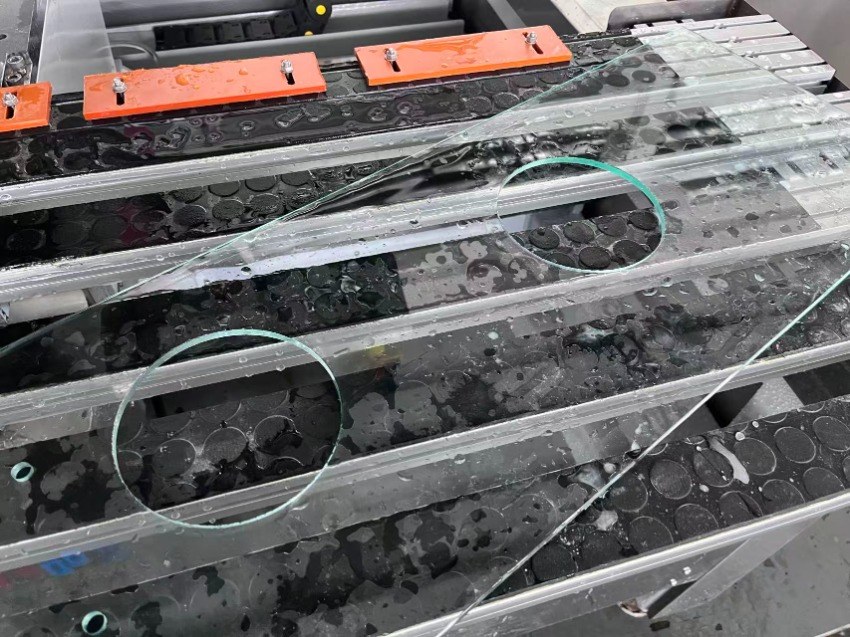
Contamination changes how the machine moves and cools. Fine glass residue can increase drag on guides, while blocked ventilation or dirty filters raises heat around electrical and spindle components. Symptoms include louder travel, longer recovery, inconsistent edge quality, or alarms after a long run. Cleaning is a condition check, not cosmetic housekeeping.
- Remove glass chips and slurry from the table, guides, covers, and drain areas.
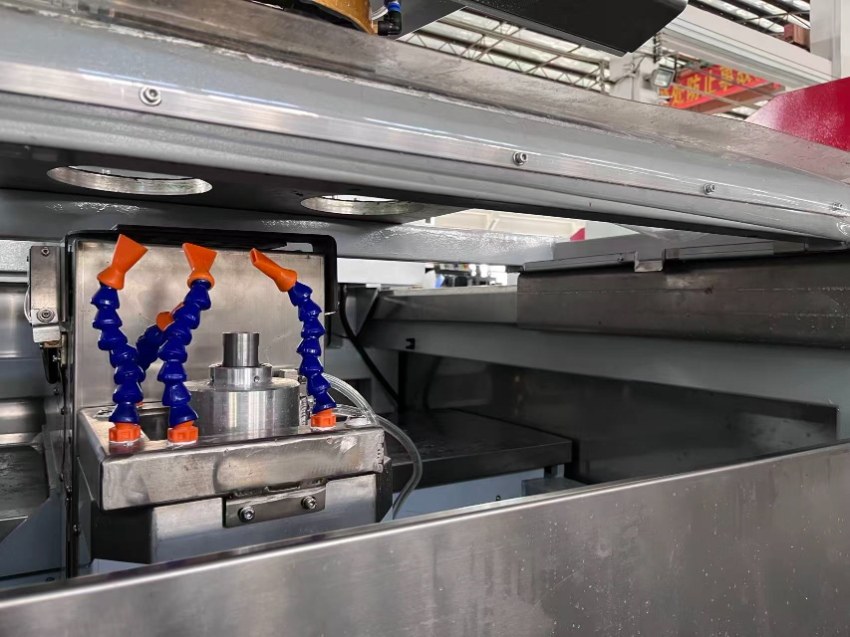
- Check lubricant level and confirm that each automatic lubrication point is feeding.
- Inspect drill bits, spindle sound, cooling flow, filters, and emergency stops.
- Record unusual noise, heat, alarms, or quality drift before resetting the machine.
A Maintenance Rhythm That Operators Can Keep
A usable maintenance plan separates quick operator checks from scheduled technical work. At BLM Automatic Machine, our CNC range is supported by an equipment ledger and planned maintenance records, so cleaning, lubrication, calibration, and fault history remain visible across shifts. That continuity matters when a machine serves mixed orders and more than one operator.
Daily Checks Protect the Working Envelope
Daily work should begin and end with the surfaces that directly affect motion and glass handling. Operators can clear fragments, wipe exposed supports, check water or slurry paths, and look for leaks or loose guards. They should also compare the current spindle sound and hole edge with the normal condition. A short before-and-after check makes a change easier to localize on any drilling machine for glass.
Weekly Lubrication Prevents Wear from Hiding
Weekly lubrication is valuable because wear can develop quietly. Apply only the specified lubricant, confirm the reservoir is clean, and inspect lines for kinks or empty sections. On machines with automatic lubrication, verify delivery rather than assuming the pump is working. Excess lubricant can attract dust, so the correct amount and a clean surrounding surface are both part of the check.
|
Interval |
Main task |
Record that matters |
|
Each shift |
Clean table, supports, guides, covers, and drains |
Debris, leaks, noise, and alarms |
|
Weekly |
Check lubricant, cooling flow, filters, tooling, and fasteners |
Levels, condition, and parts changed |
|
Monthly |
Review positioning, spindle condition, electrical safety, and calibration |
Measured result and corrective action |
|
After a fault |
Identify the cause before returning to production |
Alarm, intervention, and verification sample |
Inspection Turns Maintenance into Quality Control
Maintenance protects output when it is connected to a measurable result. Our सटीक ग्लास मशीनिंग workflow uses incoming-part inspection, process checks, and accuracy testing to catch problems before they become repeated defects. The same logic belongs in a customer’s workshop: inspect the spindle and guides, then verify a representative hole or pattern after any intervention that could affect geometry. For teams comparing a सीएनसी ग्लास ड्रिलिंग मशीन, the verification record is as important as the brochure specification.
Use First-Off Samples after Meaningful Work
A first-off sample is the quickest way to confirm that maintenance restored the process. Measure the hole position, diameter, and any required edge condition using the same method used for production approval. If the sample is outside the limit, pause and investigate support, tooling, motion, and program status instead of releasing a full batch.
Electrical and Safety Checks Belong on the Calendar
Electrical safety deserves a scheduled place beside mechanical care. Insulation resistance, emergency-stop response, protective devices, cables, and enclosure condition should be checked by qualified personnel under the site’s safety procedure. A clean machine is not automatically a safe machine, and a safe machine still needs documented motion and quality checks.
Training and Records Keep the Routine Alive
A maintenance schedule works when people know normal conditions and where to record a deviation. BLM provides operation and maintenance training during installation and supports refresher learning with manuals and online materials. Training helps operators distinguish routine cleaning from a condition that requires a technician.
Records also protect handovers. Keep the machine ID, date, operator, task, lubricant or filter used, alarm code, measurement result, and next due date in one accessible log. When a recurring issue appears, the history shows whether the cause is a part, a setup habit, or an overdue service interval. The same record supports glass CNC machining when drilling is paired with milling or polishing.
A Small Log Prevents Large Repeat Failures
The best log is brief enough to complete every time. Note the condition found, action taken, and verification result. A technician can then compare maintenance history with quality data, while production staff can see whether a machine is ready for the next job. This is more useful than a checklist with boxes marked but no observations.
Practical Takeaway
Long service life comes from a repeatable rhythm: clean what touches the process, lubricate before wear becomes visible, inspect critical mechanical and electrical parts, calibrate on schedule, and verify the first sample after meaningful work. This routine keeps CNC drilling equipment available and makes quality drift easier to diagnose. It also protects a glass milling machine when one platform handles several operations.
For a model-specific maintenance review, share the machine model, duty pattern, glass types, recent alarms, and current service record. We can help turn that information into a practical inspection and training plan for your workshop.
सामान्य प्रश्न
How often should the machine be cleaned?
Clean exposed work surfaces, supports, drains, and visible guides at least each shift, then increase frequency when slurry or fine dust is heavy. Filters, covers, and enclosed areas need the interval specified by the equipment and site conditions. Record what was found, not only that cleaning occurred.
What should weekly lubrication include?
Check the reservoir, lubricant condition, delivery lines, and each lubrication point. Use the specified product and amount, wipe away excess that can trap dust, and investigate an empty line or fast drop in level before production continues.
When is calibration needed?
Follow the planned monthly or site-approved interval, and repeat calibration after a collision, major mechanical work, unusual vibration, or a first-off result outside tolerance. The interval should reflect duty, environment, and the machine maker’s service guidance.
Does operator training affect machine life?
Yes. Correct loading, cleaning, alarm handling, lubrication checks, and shutdown habits reduce avoidable stress. Training also helps operators stop a job when a condition needs technical attention instead of repeatedly resetting the same alarm.
What belongs in a service record?
Record the machine ID, date, operator or technician, task, parts or lubricant used, alarm or symptom, measurement result, and next due date. A concise history turns isolated observations into evidence for maintenance planning and troubleshooting.