
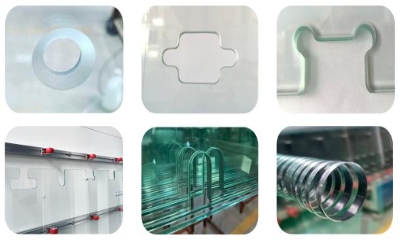
Edge cracking remains a common quality issue in the glass processing field. It often causes much waste of materials and slows down delivery times. These small breaks usually start during the glass milling process. This happens when there’s a key mismatch between the spindle rotation speed (RPM) and the feed rate. To get a smooth, crack-free edge, workers need a good grasp of how energy from motion affects the fragile quality of glass materials. With the accuracy of a current glass drilling and milling machine, makers can use adjusted speed methods to reach “zero-defect” output.
Root Causes of Edge Cracking During Glass Milling
The strength of a glass edge depends on handling physical and thermal stresses well. During glass milling, wrong tool contact or too much shaking can make tiny waves of force. These spread into the material. They show up as clear cracks or “shale” chips.
- Mechanical stress: If the cutting tool hits the glass at a sharp angle or at the wrong speed, the force goes beyond the holding of glass molecules. This leads to breaks.
- Thermal shock: High RPM in glass milling creates local heat from rubbing. If the cooling setup can’t remove this heat right away, quick growth from the heat and then shrinkage as the tool leaves will make the edge split.
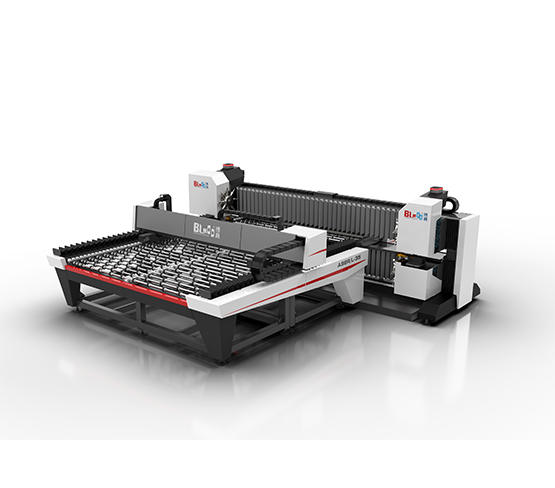
- Structural rigidity: Fast processing needs a firm base. Gear like the BLM Automatic Machine uses a strong CNC gantry-type milling base. It stops the shaking vibrations that mainly cause chatter marks and edge problems.
Why Precise Speed Control Dictates Factory Profitability
In the tough B2B glass market—which includes areas from car glass to fancy shower doors—the finish of the milled edge shows a supplier’s skill level. Accuracy in glass milling is more than a quality check. It is a money-saving need.
- Maximizing yield rates: Cutting down scrap through better speed handling boosts the return on investment (ROI) for each square meter of raw material handled.
- Eliminating secondary processing: A good edge from a glass drilling and milling machine often skips later polishing steps. This cuts the production time a lot.
- Market authority: Better edge work opens doors to top supply chains. There, no edge flaws are allowed for building and look-based glass parts.
Adjusting Spindle Velocity to Eliminate Cracking
The best setting for spindle speed relies a lot on material thickness and tool shape. For example, working on glass from 4-19mm thick needs a flexible spindle. It must keep strong power at changing speeds.
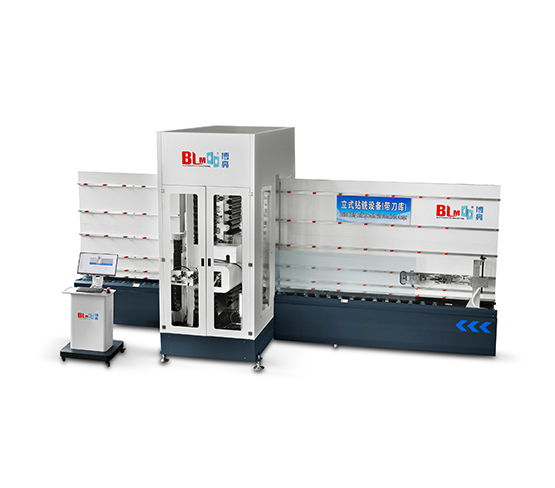
- Matching RPM to thickness: For top units like the A71X, a 12000 RPM spindle gives the speed for neat cuts. Thin glass can take higher speeds. Thicker building glass calls for a slower pace.
- Feed rate ratios: As glass thickness grows, the feed rate in milling glassmust drop in line. This lets the diamond tool take away material without too much side push.
- The “Danger Zone”strategy: Edge cracking happens most when the tool touches or leaves the glass. Skilled users set their glass drilling and milling machine to slow the feed rate by 30-50% at these start and end spots. This keeps the structure safe.
|
Technical Specification |
A71X (2515) Series |
A98 (6025) Series |
|
Max Glass Size |
2500 x 1500 mm |
6000 x 2500 mm |
|
Glass Thickness |
4 – 19 mm |
4 – 19 mm |
|
Spindle Rotation Speed |
Up to 12000 rpm |
High-torque multi-spindle |
|
Tool Holder Quantity |
6 x 2 (12 total) |
8 + 8 (16 total) |
|
Positioning Accuracy |
≤ 0.02 mm |
≤ 0.05 mm |
|
Supported Formats |
DXF, PLT, CAD |
DXF, PLT, CAD |
Automated Prevention of Edge Damage
Today’s design goes past hand-based guesswork to exact calculations. A smart glass drilling and milling machine mixes parts and programs to stop cracking conditions ahead of time.
- Smart spindle technology: Models like the A98 have an 8+8 multi-spindle setup. This lets it use special tools for rough cuts and smooth finishes. So, the heavy milling glass part doesn’t hurt the last edge’s look.
- Integrated cooling and lubrication: Heat build-up is controlled by auto oil lines and strong water cooling. These keep the tool-glass spot at even heat. They stop the stress from the heat that breaks coated or Low-E glass.
- Software-driven path optimization: Factory computers read CAD/DXF files straight to figure out the best tool route. By planning paths for curves and tight turns, the program avoids quick torque shifts. Those often lead to stress-based edge breaks.
Long-Term Benefits of Automated Speed Management
Switching to a full auto setup for glass milling machine brings gains that last past one job.
- Elimination of human error: Barcode reading loads processing settings on its own. Operators skip typing RPM or feed rates by hand. The machine runs at its best mechanical level always.
- Batch consistency: From the first to the thousandth glass piece, the auto system keeps the same edge quality. It fits the tight match needs of big building jobs.
- Equipment longevity: Right speed choices cut the side load on exact spindles. They also stop early wear on diamond tools. This lowers full ownership costs and cuts surprise repair stops.
Conclusion
Stopping edge cracking is a skill in science that mixes rotation speed, firm structure, and heat control. By using exact hardware that meets CE certification standards, makers get the stability for tough glass milling work. Mixing strong CNC bases and smart program rules lets raw material turn into a perfect finished item smoothly. BLM Automatic Machine offers the part trust and skill know-how to change your line into a high-output, smooth-running setup.
FAQ
Q: How does glass thickness affect the recommended milling speed?
A: In most cases, thicker glass means keeping spindle RPM high for good cutting power. However, you must lower the feed rate—the pace at which the tool travels over the glass. This avoids too much side force that can cause cracks.
Q: Can a glass drilling and milling machine handle Low-E-coated glass without scratching the surface?
A: Yes, newer machines come with vacuum hold tables and custom belts for transport. These guard delicate coatings well. Plus, careful speed handling makes sure the layer comes off or gets cut neatly. It avoids peeling or harm from heat.
Q: What is the benefit of a multi-spindle system for edge quality?
A: A setup like 8+8 multi-spindle lets the machine change between diamond bits for rough and fine work without pause. Because of this, you get an even edge shape. It also cuts down a lot on small crack risks.
Q: How often should the cooling system be checked to prevent edge cracking?
A: Check the cooling system each day. Uneven water flow or blocked sprays cause a fast heat rise in glass milling. That is the main reason for heat-led edge splits.
Q: Is it possible to import custom designs directly into the machine?
A: Yes, today’s factory computers on these machines take common CAD, DXF, and PLT files. This means you can send over detailed hole setups and milling routes right away. The program then adjusts speeds for each special bend in the plan.
For expert advice or to get a tailored Speed-vs-Feed chart for various glass kinds, reach out to the BLM Automatic Machine technical team now. Or book a real demo of the A71X series.