
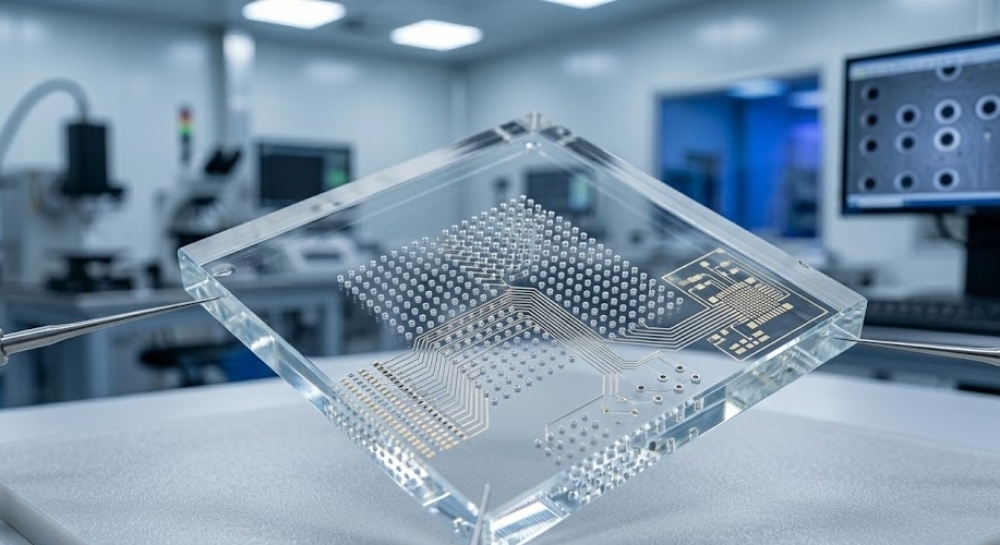
In the exacting fields of semiconductors and medical electronics, the quality of processing for Through Glass Via (TGV) substrates plays a key role in the end performance of high-speed parts. In the past, the sector depended on the usual glass drilling machine that uses mechanical CNC spindles. This approach works well for big jobs. However, it faces challenges with the delicate quality of glass. It often leads to edge breaks, tiny cracks, and large taper mistakes.
The main challenge in moving to laser setups has involved the “conical effect.” A typical laser beam creates a hole wider at the top and slimmer at the bottom. To meet the strict ≤0.02mm accuracy needed for today’s uses, makers need to use modern glass laser drilling methods. These methods remove this taper. They also keep the material’s strength intact. This piece looks at how combined tech now supports the large-scale making of ideal, straight-up holes in glass from 0.5mm to 20mm thick.
What is the “Taper Effect” Generated During Laser Glass Drilling?
The creation of a taper in laser drilling glass comes from the beam behavior and how it interacts with the material. Common factory lasers show a Gaussian energy pattern. Intensity peaks in the middle. It drops off at the edges. As the beam goes into the glass, the energy level falls because of plasma barriers and many inner bounces.
Without direct fixes, this leads to a “V-like” or cone-shaped hole. Glass over 2mm thick makes this straightness issue a major problem. In packed circuit designs, uneven hole sizes block even metal coating and plating. This causes air gaps. It also weakens electrical links.
Why Does the High-Tech Industry Have Nearly Stringent Requirements for “Zero Taper”?
The push for no-taper accuracy stems from three key needs in function.
-
Signal Integrity: In chip packaging, TGV holes need to stand perfectly upright. This keeps signal routes as short as possible. It cuts down on delays and signal drop in 5G and AI devices.
-
Microfluidic Precision: In medical devices, tiny-level straightness affects how fluids move. Any slant brings unwanted swirls or blockages in flow. This harms test results.
-
Mechanical Strength: Holes without taper spread out stress in a more even way than slanted ones. This matters for heat-treated or chemically toughened glass. It helps avoid breaks during heat changes.
How Does Advanced Laser Technology Eliminate Processing Taper?
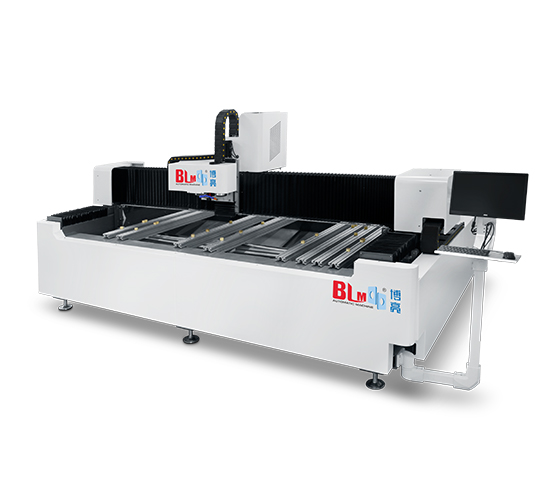
Getting a real 90-degree wall means changing from basic fixed lenses to active beam control. At BLM Automatic Machine, we blend several main techs to cancel out the taper, setting a new standard for Precision Glass Machining.
-
MOPA and Ultrafast Laser Source: A 1064nm MOPA laser gives fine control over pulse lengths. Ultra-short bursts cut down the Heat Affected Zone (HAZ). They stop the heat from melting, which often causes wall tilt.
-
Dynamic Optical Compensation: We use a D 93mm focal length biconvex lens setup with optical spinning head tech. Rotating the beam at a set angle lets the system “cut under” the usual taper.
-
Intelligent Milling & Drilling Fusion: Our program guides the laser route via an S-Pattern multi-layer setup. This “laser milling” way views hole creation as a series of exact layer removals. It peels material bit by bit instead of one big hit. This guarantees full straightness.
Where Are the Advantages of Glass Laser Drilling Compared to Mechanical CNC Machining?
Current combined laser tools beat old mechanical ones in accuracy, flexibility, and overall cost over time.
| Feature | Mechanical Glass Drilling Machine | Advanced Glass Laser Drilling |
| Minimum Hole Diameter | Generally >0.1mm | Supports micro-holes <0.1mm |
| Edge Quality | High risk of chipping/cracking | Smooth, crack-free finish |
| Consumable Cost | High (frequent drill bit replacement) | Zero (non-contact process) |
| Light Source Lifespan | N/A | 80,000 to 100,000 hours |
| Process Integration | Glass laser drilling | Drilling, Sandblasting, and Film Removal |
Which Key Technical Parameters Determine the Final Drilling Quality?
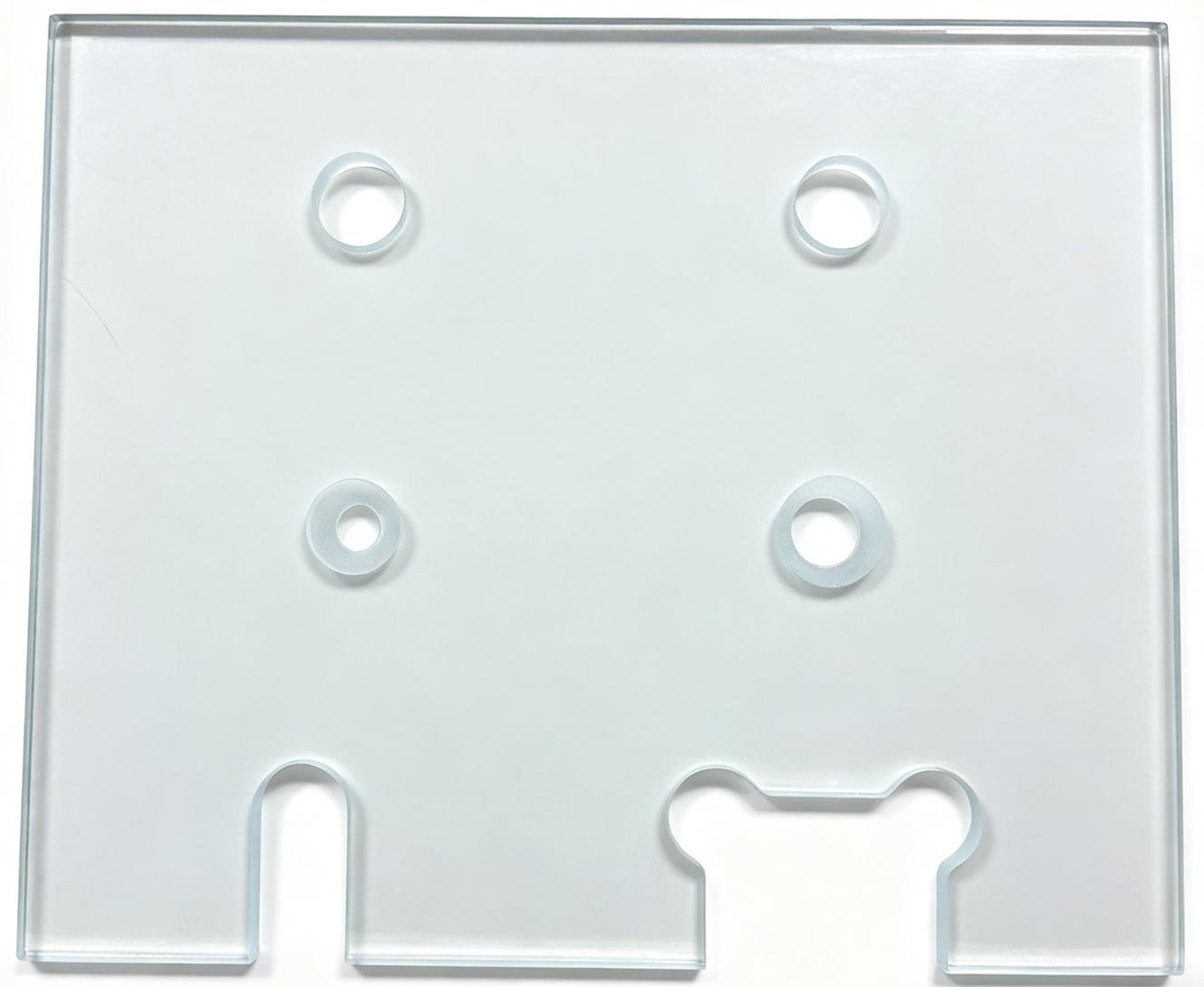
These specs set the working bounds for top glass laser drilling gear:
-
Repetitive Positioning Accuracy: ≤0.02mm, making sure millions of holes stay right in line.
-
Processing Range: XY axis handles up to 2500*1200mm for big glass sheets.
-
Laser Power: 140W to 300W changeable output, so the setup deals with glass from 0.5mm to 20mm thick.
-
Material Adaptability: Works with coated glass, Low-E, ultra-white, and different mirrors (aluminum, silver, and copper-free).
How to Guarantee Equipment Stability During Long-term High-intensity Production?
To hold micron accuracy in round-the-clock factory settings, hardware and surroundings need to match up.
-
Environmental Control: Run in a clean space (15-30°C, 20-80% humidity) to avoid beam spread and moisture buildup.
-
Debris Management: A built-in auto glass waste pickup system is vital. It clears glass steam and small bits that could dirty the D 93mm biconvex lenses.
-
Structural Rigidity: Heavy aluminum alloy tables and XYZ three-way exact links provide shake reduction. This is key for fast laser milling at 20,000mm/s.
Conclusion: Choosing the Right Process is the Core of Increasing Yield Rates
No-taper laser work has grown from a lab idea to a full factory fix. Makers can swap the limits of a standard glass drilling machine for the sharpness of glass laser drilling. This brings top yield levels for TGV and fluid parts. The mix of MOPA laser units and smart milling routes offers a full answer for tough glass work. It covers drilling, sandblasting, and film stripping without hurting fine surface layers.
FAQ
Q: Can a BLM Automatic Machine glass laser drilling system handle coated mirrors without damaging the reflective layer?
A: Yes, it can. The glass laser drilling method stays non-contact. Workers can adjust the laser just right to turn the glass base into vapor. At the same time, it keeps the silver or aluminum shine layer safe near the work area. This way, it delivers top-notch results for building mirrors.
Q: What is the maximum thickness a standard glass drilling machine can penetrate while maintaining zero taper?
A: A regular mechanical glass drilling machine tends to make a big taper in thick glass. Our modern laser drilling glass approach uses active lens turning. It holds a straight wall in pieces up to 20mm deep.
Q: How does glass laser drilling improve the yield rate compared to traditional sandblasting?
A: Old sandblasting needs covers and risks too much etching. Glass laser drilling acts as a direct CNC write process. It skips supplies and covers. This brings better sameness. It also lowers the chances of surprise surface harm.
Q: Is it possible to integrate film removal and glass laser drilling into a single production step?
A: Yes, it works that way. The all-in-one setup plans to do film stripping, drilling, and sandblasting in one go. This cuts down on moving parts around. It makes sure every worked spot lines up exactly with the DXF/PLT plan files.
Q: What maintenance is required for a laser drilling glass system to ensure 0.02mm accuracy?
A: Care takes less effort than with mechanical setups. It mainly means looking at the cooling part and keeping the light path free from dirt. No drill bits wear down, so the glass laser drilling sharpness holds steady over its 100,000-hour run time.