
A broken pane turns a quick drilling run into waste. It causes extra work. It also leads to tough talks about late delivery. Processors often handle mixed batches or short runs. For them, asking how fast a spindle turns is not enough. The real issue is different. The entire drilling and milling process must keep force steady. Support and movement must stay reliable. This applies from the very first hole down to the last one.
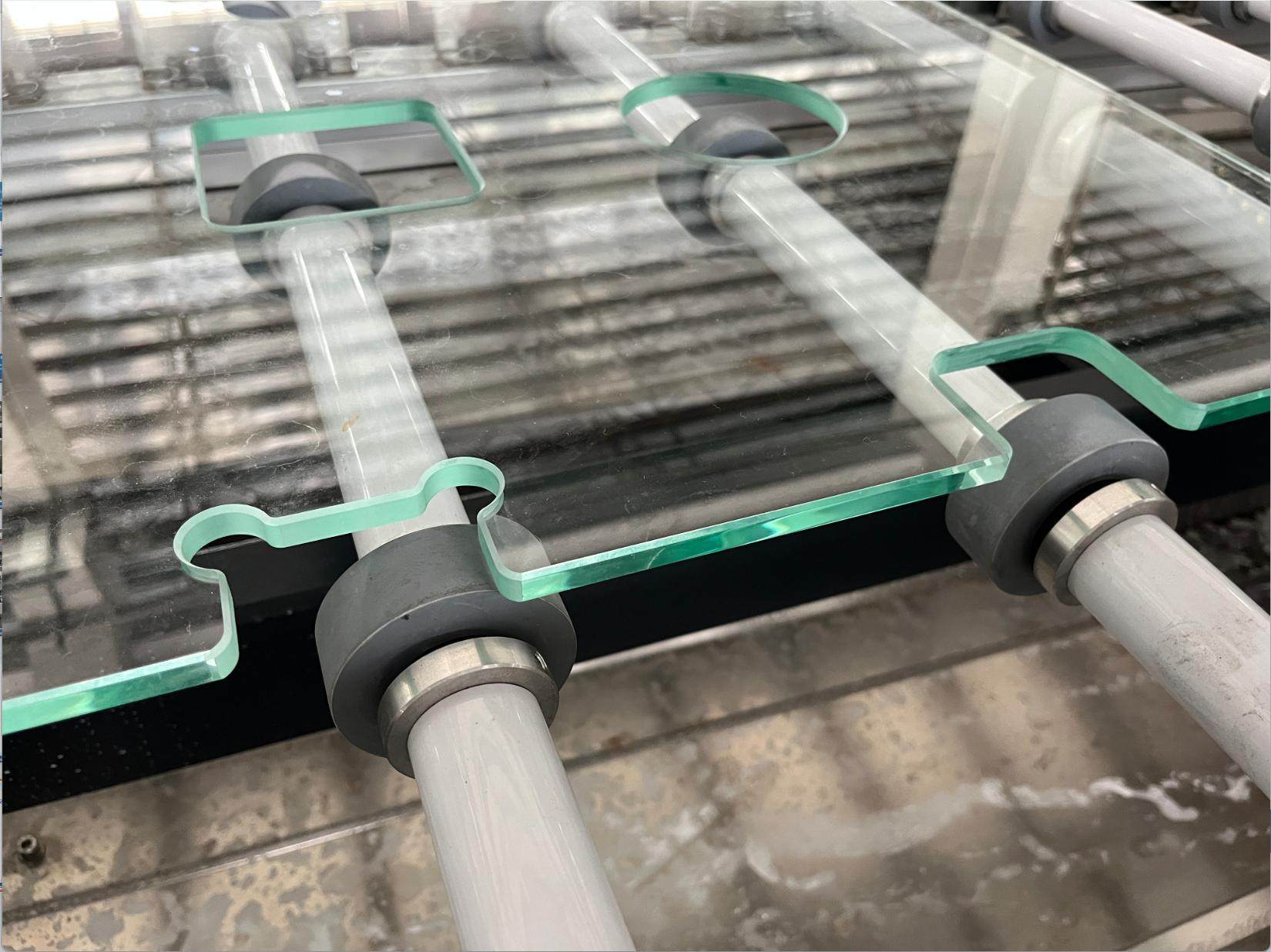
Where breakage begins in a fast drilling cycle
Glass generally breaks when a few minor issues happen at once. A bit might enter slightly off-center. The support under the sheet might be uneven. Lubrication might be spotty. The machine frame might shake. Any of these faults can increase local stress. High feed rates and spindle speeds do not cause the fault alone. However, they leave less room for the setup to handle those faults safely.
The hole is only the visible symptom
Edge chips often appear. Breakout happens at the bottom side. Cracks can spread outward from a hole. These signs usually point to a broader control issue. They rarely point to just one bad setting. Workers must check a few things. First, they must see if the glass sits in the exact same spot every time. Second, the tool path must fit the hole and the nearby cuts. Finally, the bottom support must hold firm during the whole cut.
The tool path can magnify a small problem
A drilling setup needs careful review. You must think about the milling stage that follows. Sometimes a hole, a notch, or an inner shape needs extra finishing. The switch between drilling and milling must be smooth. It should not add a needless stop. It should not shift the part. It must not repeat a starting point. This is the main reason why precision glass drilling relies on the entire movement plan. It depends on more than just the drill head.
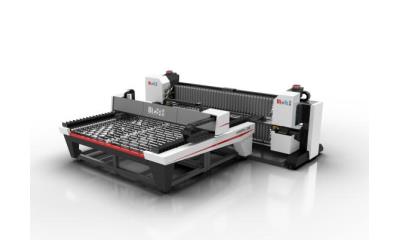
A98 control points that support stable processing
The A98 acts as a strong platform for drilling, milling, and polishing. It features eight-plus-eight spindles. This design handles flexible, small-order jobs well. Its heavy steel-plate beam is welded and annealed. It is also gantry milled and sandblasted. The metal gets treated to remove rust. Then, it is painted. This careful build ensures long-term strength. That solid construction is vital. A firm machine body gives the planned tool path a very steady physical base.
The machine also delivers oil automatically. The system times and measures the fluid to coat moving parts. During a rapid cycle, steady oiling keeps the gears and rails moving smoothly. It removes the need for spotty manual oiling. A buyer might compare a glass drilling and milling machine. For them, this smooth link between drilling and milling is a real quality benefit. It is much more than a simple sales claim.
Checks that matter before speed is increased
You should raise the speed only when the current process is completely steady. The checks below keep your crew focused. They look for root causes that people can actually see and fix. This stops those causes from becoming a regular breaking habit.
Check the edge placement. Make sure the glass support is firm. Do this before cutting the first planned hole.
Look at the drawing. Check the hole spots. Ensure the milling features use the correct starting point.
Look closely at the tool shape. Keep the step from drilling to milling perfectly matched with the actual job.
Check the oiling system. Clear any warning alerts. Do this before starting a faster run.
Look over the first finished parts. Search for chips. Check for bottom breakout. Look for any shift in position.
|
Likely process question |
Useful response |
|
|
Is support or tool condition consistent? |
Check support, tool wear, and the programmed sequence. |
|
|
Does positioning repeat from sheet to sheet? |
Verify edge alignment and the job datum. |
|
|
Is motion smooth under load? |
Check lubrication and structural-condition indicators. |
|
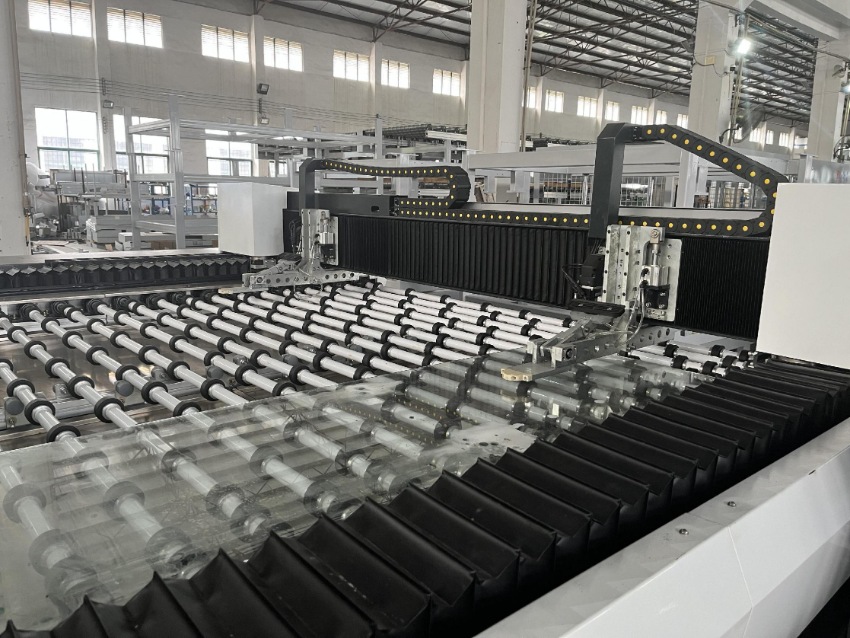
Where precision control belongs in a short-run workflow
Small batches and mixed orders make setup steps vital. Workers must swap drawings and hole layouts quite often. The A98 industrial computer helps with this. It allows drawing right at the screen. It reads barcodes quickly. It also directly loads CAD, DXF, and standard hole files. Keeping data tasks right next to the machine helps a lot. It lowers the chance that a simple typing mistake turns into a ruined piece of glass.
For high-speed glass drilling, the best gains come from a unified view. You must treat the code, the support, the bit wear, the oiling, and the machine movement as one single system. A faster run only makes sense if the very first item and the last item share the exact same good quality.
A strict checking plan saves a lot of time when a flaw shows up. Begin with the finished piece. Compare where it broke to the original drawing. Look at where the bit went in. Check the exit side. Inspect the support pads. Look at the tool edge. This clear plan changes a vague complaint about speed. It creates a short list of real questions. The crew can test these items without guessing.
Sometimes a result shifts after you change a drawing or alter a setting. You must protect the next batch. Write down exactly what changed and the reason for it. Keep a brief log of the good first piece. Note the code update. Record the final quality. This log gives the next worker a solid starting point. It also makes it much easier to spot a repeating fault. You can then separate that fault from normal changes in the glass or the shape.
This habit makes progress real. Every proven fix can join the next setup checklist. In this way, steady quality grows through reliable daily work. It does not rely on rushing to fix things at the last second.
A practical takeaway for breakage reduction
Stopping breakage works best when everything lines up. The drill path, the milling switch, the glass placement, and the machine health must support each other. A98 users often run many different jobs. They should set a firm rule to check the first piece. They should boost the speed only when the outcome stays perfectly steady. This smart method keeps output high. It prevents people from seeing shattered glass as just a normal cost of doing fast CNC work.
If you need help matching a drilling and milling plan to your specific daily tasks, please contact BLM Automatic Machine.
FAQ
Why does glass crack near a drilled hole?
Cracks often stem from local stress. This stress comes from weak support or shifting positions. Bad tool wear or a poor drilling and milling plan also cause it. You must check the entire setup. Do not just change the running speed.
Does faster drilling always increase breakage?
No. A faster drilling rate can stay perfectly safe. The glass must sit in the exact same spot. The code must be correct. The machine motion must remain smooth. You must always prove the speed on actual finished items.
Why does milling matter after drilling?
Milling finishes the inner shapes and the edges near a drilled zone. A smooth switch prevents needless shifting. Extra moves can add harmful changes to the final piece.
What should be checked on the first piece?
Look at the exact hole spot. Check for edge chips. Inspect the bottom exit. Look for any chatter marks. The first piece is the perfect time to ensure the starting point and the bottom supports are completely right.
Is the A98 suited to mixed job production?
The A98 is built for agile, small-batch work. It runs very well as a standalone unit. It can also link with other gear and factory software systems when the task demands it.